

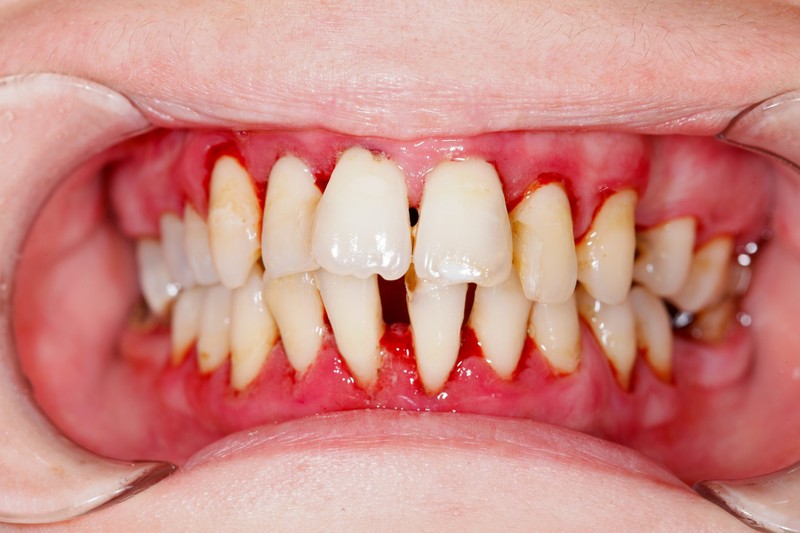
Bleeding gums are often an early warning sign of gum disease, a common oral health issue that can lead to serious complications if left untreated. While many people might dismiss occasional bleeding when brushing or flossing, it’s important to understand the underlying causes and take action before the condition worsens.
This article will explain the connection between bleeding gums and gum disease, the risks of ignoring the symptoms, and how to maintain healthy gums.
What Causes Bleeding Gums?
Bleeding gums are usually a sign that something is wrong with your oral health. Several factors can contribute to this issue, ranging from poor dental hygiene to underlying medical conditions.
Plaque and Tartar Buildup
The most common cause of bleeding gums is the buildup of plaque and tartar on your teeth. Plaque is a sticky film of bacteria that forms on your teeth and along the gumline. If not properly removed by brushing and flossing, it hardens into tartar, which can irritate the gums and cause them to bleed. This irritation leads to inflammation, a condition known as gingivitis, which is the earliest stage of gum disease.
Aggressive Brushing and Flossing
While it’s important to brush and floss regularly, doing so too aggressively can harm your gums. Hard brushing or improper flossing techniques can damage the delicate gum tissue, leading to bleeding. Using a soft-bristled toothbrush and gentle flossing motions can help prevent this issue while still effectively cleaning your teeth.
Medical Conditions and Medications
Certain medical conditions, such as diabetes and blood clotting disorders, can increase the likelihood of bleeding gums. Additionally, some medications, like blood thinners, can also make your gums more prone to bleeding. If you have a chronic condition or are on medications that affect your oral health, it’s important to consult your dentist regularly to monitor your gum condition.
The Dangers of Ignoring Bleeding Gums
Many people overlook bleeding gums, especially if the bleeding seems minor or only occurs occasionally. However, ignoring this symptom can have serious consequences for your oral and overall health.
Tooth and Bone Loss
Untreated gum disease can lead to the loss of teeth as the supporting bone and gum tissue deteriorate. This can result in shifting teeth, difficulty chewing, and changes in your facial structure due to bone loss. Once bone loss occurs, it becomes much more difficult and costly to treat gum disease, and the damage may be irreversible.
Increased Risk of Systemic Health Issues
Gum disease doesn’t just affect your mouth; it can also have implications for your overall health. Studies have shown a connection between gum disease and several systemic conditions, including heart disease, diabetes, and stroke. The bacteria that cause gum disease can enter the bloodstream and contribute to inflammation throughout the body, increasing the risk of these serious health problems.
How to Prevent and Treat Bleeding Gums
Taking proactive steps to prevent gum disease and address bleeding gums is crucial for maintaining good oral health. With proper care and attention, you can prevent gum disease from progressing and keep your gums healthy.
Maintain Good Oral Hygiene
One of the most effective ways to prevent gum disease and bleeding gums is to maintain a thorough oral hygiene routine. This includes brushing your teeth at least twice a day with fluoride toothpaste, flossing daily, and using an antibacterial mouthwash to reduce plaque buildup. Regular dental checkups and professional cleanings are also essential for removing tartar and catching early signs of gum disease.
Visit Your Dentist Regularly
Regular visits to your dentist are critical for preventing and treating gum disease. Your dentist can perform deep cleanings, known as scaling and root planing, to remove plaque and tartar from below the gumline.
They can also assess the health of your gums and recommend treatment if necessary. If you notice persistent bleeding gums, schedule an appointment with your dentist as soon as possible to address the issue before it worsens.
Adopt a Healthy Lifestyle
Your overall health can significantly impact your oral health. Eating a balanced diet rich in vitamins and minerals, especially vitamin C and calcium, can help strengthen your gums and teeth.
Avoiding tobacco use is also important, as smoking is a major risk factor for gum disease. Drinking plenty of water throughout the day can help wash away food particles and bacteria, reducing the risk of plaque buildup.
Conclusion
Bleeding gums are a common symptom of gum disease, and it’s important not to ignore them. Whether caused by poor oral hygiene, aggressive brushing, or underlying health conditions, bleeding gums should be addressed promptly to prevent further complications. By maintaining good oral hygiene, visiting your dentist regularly, and adopting a healthy lifestyle, you can protect your gums and overall health from the dangers of gum disease.
