

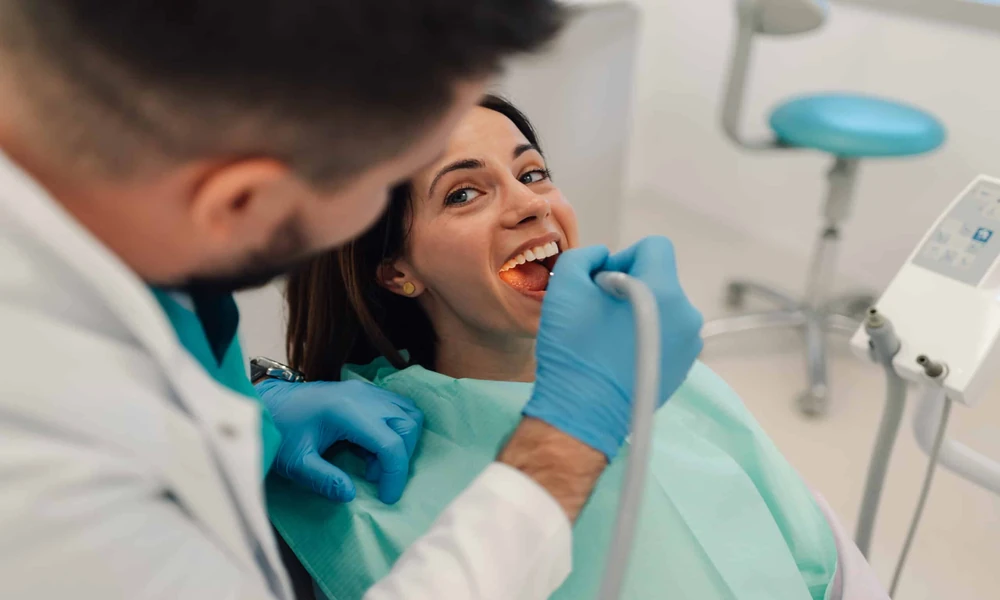
You might not think about your teeth as an investment until something goes wrong. One cracked filling, one painful cavity, or one treatment you did not plan for can change that fast. If you have spent time and money on cleanings, whitening, braces, veneers, crowns, or simply keeping your mouth healthy for your family, it makes sense to want that effort to last. That is where Why Preventive Dentistry Protects the Investment In Your Smile becomes more than a phrase, especially when guidance from a West Tampa dentist helps you stay ahead of problems. It becomes a practical way to avoid pain, protect your budget, and keep your smile looking and feeling the way you want it to.
The short version is simple. Preventive care helps catch small issues before they turn into larger and more expensive ones. It also supports the work already done by your family and cosmetic dentist, whether that means preserving natural teeth, protecting restorations, or lowering the risk of decay and gum disease.
Why can a small dental problem turn into a much bigger one so quickly?
Most dental problems do not begin with drama. They begin quietly. A little plaque near the gumline, a spot of enamel wear, a place that is hard to brush, or a missed cleaning because life got busy. At first, nothing feels urgent. Then the damage builds, and what could have been handled with a simple visit may grow into a filling, a root canal, gum treatment, or even tooth loss.
Because of this, preventive dental care is not just about avoiding inconvenience. It is about protecting what you already have. If you have invested in cosmetic work, that matters even more. Whitening does not help much if decay develops around old fillings. Veneers and crowns still need healthy gums and good daily care. Even a naturally healthy smile can become harder and more costly to maintain when prevention is ignored.
There is also the money side, and that part can feel frustrating. Many people put off routine visits to save money, only to face larger bills later. It is an understandable choice, especially when there are other demands on your time and finances. Still, delaying care often shifts the cost rather than removing it. In many cases, it increases it.
What does preventive dentistry actually include for families and cosmetic patients?
Prevention is not one single treatment. It is a group of habits and services that work together over time. Good brushing and flossing at home are the foundation. The National Institute of Dental and Craniofacial Research explains strong oral hygiene basics, including brushing twice a day with fluoride toothpaste and cleaning between teeth daily.
In the office, prevention often includes regular exams, professional cleanings, X-rays when needed, and guidance based on your risk factors. For children and some adults, fluoride can play an important role in strengthening enamel and helping prevent cavities. The CDC explains how fluoride helps protect teeth from decay. Sealants can also help, especially for back teeth that are harder to clean well. The CDC also notes the cavity prevention benefits of dental sealants.
So, where does that leave you if your smile goals are also cosmetic? In a strong position, if prevention is part of the plan. A brighter smile lasts better when plaque and tartar are controlled. Dental bonding and veneers hold up better when you avoid grinding, biting hard objects, and letting decay develop around them. This is one reason many people see protecting your smile with preventive dentistry as part of the same effort as cosmetic care, not something separate from it.
How does preventive care compare to waiting until something hurts?
It can help to see the difference clearly. Pain often arrives late in the process. By the time a tooth hurts, the issue may already be deeper and more expensive to fix. Preventive visits, on the other hand, are built around catching concerns early.
| Approach | What Usually Happens | Likely Impact on Your Smile | Likely Financial Impact |
|---|---|---|---|
| Routine preventive care | Regular cleanings, exams, home care support, early detection | Helps preserve natural teeth, gums, and cosmetic work | More predictable and often lower over time |
| Waiting for symptoms | Care begins after pain, swelling, breakage, or visible damage | Higher risk of larger restorations or tooth loss | Less predictable and often higher due to advanced treatment |
| At home care only | Brushing and flossing without professional monitoring | Helpful, but hidden issues may go unnoticed | Can seem cheaper now, but may miss early treatment windows |
A simple example makes this real. A small cavity found during an exam may need a modest filling. That same cavity, left alone for many months, can move into the nerve and require far more treatment. The same pattern shows up with gum disease. Early inflammation may improve with cleaning and better home care. More advanced disease can threaten bone support and the long term stability of your teeth.
What can you do right now to protect your smile investment?
1. Treat routine care like maintenance, not an extra.
If you think about dental visits only when something feels wrong, it is easy to put them off. Try viewing them the way you would routine maintenance for anything valuable you want to keep. This mindset shift can help you protect both your oral health and your budget.
2. Ask what your smile is most at risk for.
Not everyone has the same needs. Some people are more prone to cavities. Others deal with grinding, gum recession, dry mouth, or old dental work that needs monitoring. A family and cosmetic dentist can help you understand what deserves attention now, so your plan feels personal instead of generic.
3. Build a home routine you can actually keep.
The best routine is the one you will follow when you are tired, busy, or distracted. Brush twice a day with fluoride toothpaste, clean between your teeth daily, and follow any added guidance for sensitivity, restorations, or children in your home. Small daily habits do a lot of heavy lifting.
Is preventive dentistry worth it if your smile seems fine right now?
Yes, and that is often the best time to focus on it. When your smile looks fine, you have something worth protecting. When your mouth feels comfortable, you have a chance to keep it that way. Preventive dentistry for long term oral health is not about expecting the worst. It is about reducing the odds that a small issue will interrupt your life, your confidence, or your finances later.
Your smile supports how you eat, speak, laugh, and show up in the world. Taking care of it early and consistently is one of the smartest ways to protect that investment. If you have been putting off preventive care, this is a good time to schedule a visit with a trusted family and cosmetic dentist and get a clear picture of what your smile needs now to stay strong in the years ahead.
