

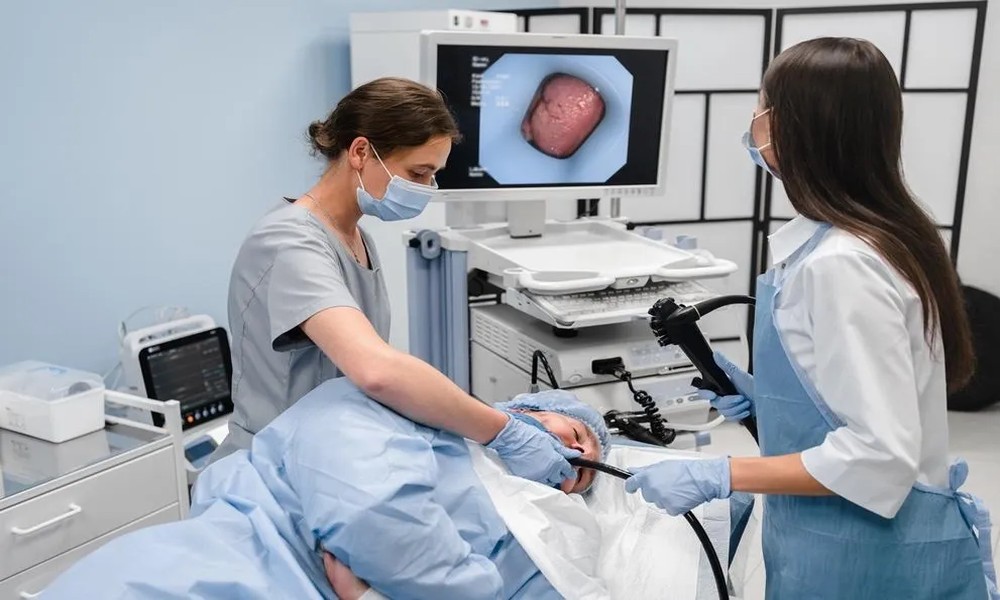
Digestive problems are becoming increasingly common among adults of different age groups. Symptoms such as acid reflux, persistent bloating, stomach discomfort, nausea, and difficulty swallowing are no longer concerns seen only in older individuals. As awareness of gastrointestinal health grows, more adults are choosing to undergo a gastroscopy procedure earlier to identify potential digestive issues before they become more serious.
A gastroscopy test is a procedure used to examine the upper digestive tract, including the esophagus, stomach, and duodenum. It allows doctors to detect inflammation, ulcers, bleeding, infections, and other abnormalities that may not always be visible through imaging scans or physical examination alone.
Several factors are contributing to the growing number of adults seeking earlier digestive evaluation.
Increased Awareness of Digestive Health
One major reason more adults are getting checked earlier is the increased awareness of digestive health and disease prevention.
Many people now recognize that persistent digestive symptoms should not be ignored. Symptoms such as chronic heartburn, abdominal discomfort, nausea, or unexplained weight loss may sometimes indicate underlying gastrointestinal conditions that require medical attention.
As health information becomes more accessible online and through healthcare campaigns, individuals are becoming more proactive about seeking evaluation before symptoms worsen.
Rising Cases of Acid Reflux and GERD
Modern lifestyle habits have contributed to an increase in acid reflux and gastroesophageal reflux disease (GERD).
Frequent consumption of processed foods, caffeine, spicy meals, alcohol, and late-night eating may increase stomach acid production and irritate the digestive tract. Obesity and high stress levels may also worsen reflux symptoms.
When symptoms become persistent or difficult to manage, doctors may recommend a gastroscopy to evaluate the esophagus and stomach lining for inflammation, ulcers, or complications caused by acid reflux.
Early detection may help prevent long-term damage to the digestive tract.
Earlier Detection of Stomach Conditions
Another important reason adults are undergoing evaluation sooner is the growing focus on early diagnosis.
Conditions such as gastritis, stomach ulcers, Helicobacter pylori infection, and even early-stage stomach cancer may initially produce mild or vague symptoms. Some individuals may experience only occasional discomfort or bloating without realizing a more significant condition is developing.
A gastroscopy allows doctors to directly examine the upper digestive tract and collect tissue samples if necessary. Identifying abnormalities early may improve treatment outcomes and reduce the risk of complications.
Increasing Stress and Lifestyle-Related Digestive Problems
Stress and fast-paced lifestyles may also contribute to digestive symptoms.
Many adults experience irregular meal schedules, inadequate sleep, and high levels of work-related stress. These factors may increase stomach acid production and aggravate digestive discomfort.
In some individuals, stress may worsen symptoms such as nausea, bloating, indigestion, or upper abdominal pain. Because these symptoms may overlap with more serious gastrointestinal conditions, doctors sometimes recommend further evaluation to rule out underlying disease.
As more people become aware of the connection between stress and digestive health, earlier medical consultation has become more common.
Family History and Personal Risk Factors
Adults with a family history of digestive diseases are often more cautious about gastrointestinal screening.
Individuals with relatives who had stomach ulcers, gastric cancer, esophageal disease, or chronic gastrointestinal disorders may have a higher risk of developing similar conditions. Smoking, heavy alcohol intake, obesity, and long-term use of anti-inflammatory medications may also increase digestive health risks.
For higher-risk individuals, doctors may recommend a gastroscopy earlier, even if symptoms appear mild.
Improved Medical Technology and Comfort
Advancements in medical technology have made digestive procedures safer and more comfortable than before.
Modern endoscopic equipment provides clearer imaging and allows doctors to detect smaller abnormalities with greater accuracy. Sedation techniques have also improved patient comfort during the procedure.
Many adults who previously feared invasive digestive procedures now feel more reassured about undergoing evaluation. Shorter recovery times and better patient education have also encouraged earlier testing.
More Focus on Preventive Healthcare
Preventive healthcare has become a growing priority in many healthcare systems.
Instead of waiting until symptoms become severe, more adults are choosing to investigate digestive concerns early. Routine medical checkups and health screening packages may also encourage individuals to seek specialist evaluation sooner.
This proactive approach may help identify digestive conditions before they progress into more advanced disease.
Common Symptoms That May Require Evaluation
Doctors may recommend further investigation for individuals experiencing persistent digestive symptoms. Some common warning signs include:
When these symptoms persist, a gastroscopy may help determine the underlying cause and guide appropriate treatment.
Conclusion
More adults are choosing to undergo a gastroscopy earlier due to increasing awareness of digestive health, rising cases of acid reflux, improved medical technology, and greater emphasis on preventive care. Persistent digestive symptoms are no longer viewed as problems that should simply be tolerated or ignored.
Early evaluation may help identify underlying digestive conditions before complications develop. By recognizing symptoms promptly and seeking timely medical attention, individuals may improve both digestive health and overall quality of life.
