

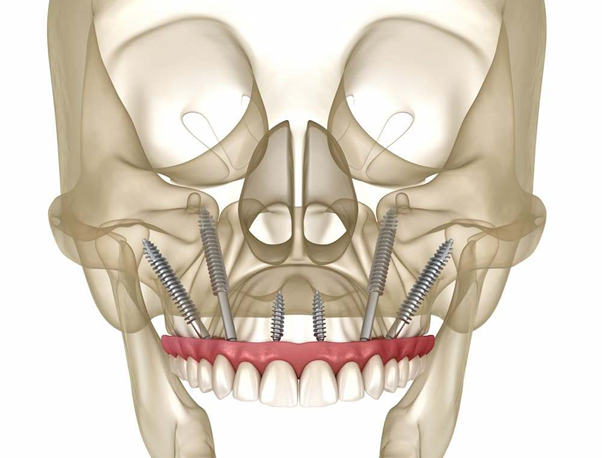
A zygma or zygomatic one is employed in place of a standard implant. These two implant kinds are significantly dissimilar from one another, though. The zygomatic implant’s base is expertly inserted into the bone layers rather than the upper jaw by the implant center’s specialist. It’s important to remember that the cheekbones are denser than the jawbones.
As a professional dentist offering Vancouver dental implants says, when the bone is less dense than normal and does not have a good quality for the bone, dental implants cannot be placed unless the bone has a good quality. Furthermore, a typical dental implant in the posterior maxilla is impossible because of a rise in the maxillary sinus’ pneumaticity.
When Is the Zygma Implant Used?
Procedures involving dental implants must be performed in a proper and sufficient environment. The zygoma dental implant should be used if these parameters are not met, particularly regarding the quality or quantity of the upper jaw bone. Bone volume can be below normal due to several diseases, including maxillary sinus pneumatization, bone resorption, and resorption or a combination of the two. To place the dental implant bases in the posterior area of the upper jaw, it should be about 10 mm from a dental perspective. The volume of the jaw bone is increased using bone grafting and sinus lift. But each of these approaches has benefits and drawbacks.
In the meantime, the zygoma dental implant has recently gained popularity as a viable bone grafting alternative for treating the atrophic maxillary gland. The statistics show that the patients have produced satisfactory results.
Zygma Dental Implant Benefits
The zygoma dental implant has been used frequently lately to revitalize the atrophic maxillary gland as a viable option for bone transplantation. The statistics show that the patients’ results have been satisfactory.
Less frequent clinical visits and minimally invasive interventions compared to transplant treatments are two additional benefits of zygoma dental implant placement. When a patient is required to wear a prosthesis for an extended period, it is possible for significant amounts of supporting bone to be lost, which, over time, causes the face to droop or lose height. A zygoma dental implant can repair this structural loss, giving the patient a beautiful, youthful face.
Remember that after placing the zygomatic implant surgery, they will usually place a resin bridge on the tooth on the same day with the help of modern equipment and the expertise and skill of the dentist. Don’t forget that it is a huge advantage for the person that the long process that takes about 9 to 18 months is done in just one day and with great care.

Zygomatic Implant Placement Time
The best time to undertake all forms of bone grafting and zygoma implant insertion is soon after surgery and throughout the procedure. Patients who have lost all teeth in the upper jaw may benefit from zygomatic implants in the upper and lower jaws for people with damaged or excessively movable teeth due to conditions like generalized aggressive periodontitis. The success rate of the Zygoma implant has been reported to have been as high as 97-98% in the publications made public over the past few years regarding this subject.
