

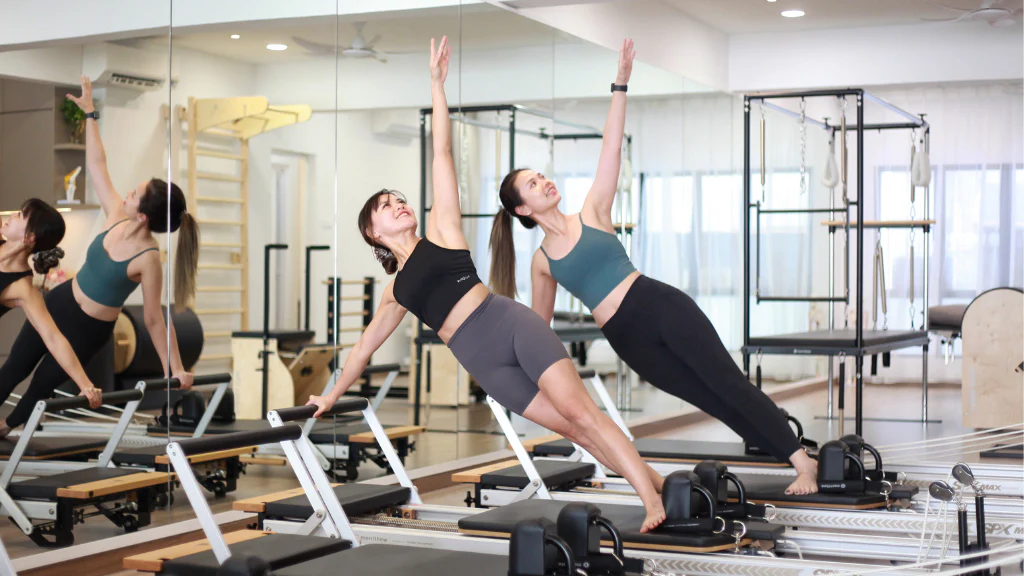
Many people seek effective ways to improve their physical health and movement quality. Two powerful approaches—physiotherapy and Pilates—offer complementary benefits when used together. Joseph Pilates developed his method in the early 20th century to aid soldiers’ rehabilitation. The practice later gained popularity among dancers and athletes.
Both disciplines share common goals of strengthening weak muscles and improving mobility. They work to reduce pain and support recovery journeys. This combination creates a holistic approach to movement rehabilitation.
The integrated method addresses both acute injury treatment and long-term functional strength. It benefits individuals recovering from injuries or managing chronic conditions. The approach also helps prevent future physical limitations. This guide explores principles, techniques, and practical applications for optimal movement outcomes.
Key Takeaways
- Physiotherapy and Pilates share complementary goals for improving physical health
- Joseph Pilates originally developed his method to aid rehabilitation
- The integrated approach addresses both acute and long-term movement needs
- This method benefits individuals with injuries or chronic conditions
- It can be tailored to suit diverse populations and capabilities
- The combination offers a holistic strategy for movement rehabilitation
- Both disciplines focus on strengthening weak areas and improving mobility
Introduction to the Integrated Approach
Rehabilitation programmes often combine different therapeutic approaches for optimal results. This integrated method brings together distinct disciplines that share common objectives for improving physical function.
Overview of Physiotherapy and Pilates in Rehabilitation
Physiotherapy represents a medical profession focused on restoring movement and function. Practitioners use assessment, diagnosis, and manual therapy to address injuries and illnesses. Their work reduces pain while improving mobility and preventing further issues.
Pilates serves as a low-impact exercise system with rehabilitation origins. It emphasises core strengthening, flexibility, and postural awareness. This makes it particularly suitable for recovery settings.
Both disciplines aim to enhance health outcomes through movement-based strategies. They employ different techniques but share the goal of functional improvement. The combination creates a holistic approach addressing underlying causes rather than just symptoms.
| Aspect | Physiotherapy | Pilates |
|---|---|---|
| Primary Focus | Acute injury treatment and diagnosis | Core strength and postural alignment |
| Methodology | Medical assessment and manual therapy | Controlled exercises and movement patterns |
| Timing in Recovery | Typically begins the treatment process | Provides ongoing support and prevention |
| Key Benefits | Pain reduction and functional restoration | Improved flexibility and body awareness |
This foundation explains why these two disciplines work effectively together. Their integration supports comprehensive rehabilitation programmes from initial treatment to long-term maintenance.
Understanding the Role of Physiotherapy and Pilates
Effective recovery programmes blend distinct yet harmonious movement approaches. Both disciplines share foundational principles that support comprehensive rehabilitation.
Key Principles and Techniques
The pilates method centres on six core principles developed by Joseph Pilates. These include centering, concentration, control, breath, precision, and flow. The “powerhouse” concept engages core muscles for essential stability.
Physiotherapy employs assessment and manual techniques. Practitioners focus on joint mobility and soft tissue release. Their holistic approach addresses root causes of dysfunction.
| Principle | Pilates Focus | Physiotherapy Application |
|---|---|---|
| Centering | Core engagement for stability | Identifying central dysfunction areas |
| Control | Precise movement execution | Gradual progression of therapy |
| Breath | Integrated breathing patterns | Respiratory muscle rehabilitation |
Differences and Complementary Benefits
While physiotherapy addresses acute structural issues, pilates builds long-term strength. The medical assessment of one complements the exercise-based methodology of the other.
“The combination creates a pathway from immediate treatment to sustained wellness.”
Both disciplines enhance body awareness and alignment. This dual focus helps individuals understand their movement patterns. It supports correction of dysfunctional movements.
The natural compatibility shows when physiotherapy incorporates pilates movements like pelvic curls. This integration demonstrates their shared goals for improved posture and function.
Integrating Physiotherapy and Pilates for Better Movement
A strategic combination of treatment approaches yields superior results for movement restoration. This powerful partnership addresses both immediate concerns and long-term wellness goals.
How Combined Methods Enhance Recovery
The integration creates synergistic effects that boost rehabilitation outcomes. Clinical therapy tackles acute pain and structural issues through targeted interventions.
Meanwhile, the exercise component strengthens supporting muscles and improves movement patterns. This dual approach ensures patients heal from injury while developing strength to prevent recurrence. Clear communication between practitioners enables safe progression from acute care to functional training.
Real-World Examples of Improved Movement
A compelling case demonstrates these benefits. A 66-year-old gentleman presented with severe lower back pain requiring surgical intervention.
After his L2-L5 decompressive laminectomy, he received comprehensive physiotherapy treatment. His programme then progressed to physiotherapy-led Pilates sessions over six months.
The results were transformative. He regained full upper and lower body strength, returned to all daily activities, and eliminated morning stiffness. His balance and walking endurance improved dramatically, giving him confidence to join a local gym.
This journey shows how the integrated approach resolves immediate pain while building lasting movement competence. Patients develop body awareness that supports lifelong physical wellness.
Enhancing Rehabilitation and Managing Chronic Pain
Individuals dealing with ongoing pain seek methods that provide sustainable improvement without causing further harm. Conditions like fibromyalgia, arthritis, and persistent back pain affect daily functioning significantly.
Targeting Injury Recovery and Pain Relief
The approach begins with thorough assessment to address acute discomfort. Gentle movements then help reduce muscle tension and improve blood flow.
This progressive method ensures safe progression from pain management to functional restoration. It focuses on rebuilding strength while protecting vulnerable areas.
Long-Term Benefits and Improved Quality of Life
Consistent practice leads to sustainable health improvements. Patients experience reduced pain episodes and greater independence in daily activities.
Enhanced mobility supports overall wellbeing and reduces reliance on medication. The method promotes lasting functional improvements.
Exercises for Core Strength and Flexibility
Specific movements target key areas affected by chronic conditions. These exercises build essential support for the body.
| Exercise | Primary Benefits | Target Areas |
|---|---|---|
| Pelvic Tilts | Improves lumbar mobility | Core muscles and spine |
| The Hundred | Builds core endurance | Abdominal strength |
| Single Leg Stretch | Enhances stability | Hip flexibility and core |
| Bridge | Strengthens posterior chain | Glutes and hamstrings |
| Side-Lying Leg Lifts | Stabilises pelvis | Hip abductors |
“Proper progression under professional guidance ensures both safety and effectiveness for individuals managing chronic conditions.”
These movements must be taught correctly to achieve optimal results. Professional supervision guarantees appropriate adaptation for each person’s needs.
Building Core Strength and Improving Alignment
The foundation of all movement originates from our body’s central support system. Developing robust core strength is essential for optimal physical function and injury prevention. This approach targets the deep stabilising muscles that form our structural base.
Importance of Postural Correction
Specific exercises engage key core muscles including the transverse abdominis and multifidus. These muscles provide crucial spinal stabilisation during daily activities. Controlled movements build a solid foundation that supports the entire body.
Proper alignment ensures forces distribute evenly across joints and muscles. This reduces excessive strain on specific areas during movement. Correct positioning translates directly to improved posture in everyday life.
Common dysfunction patterns like rounded shoulders contribute to pain. The method develops body awareness to recognise poor postural habits. Individuals learn to self-correct before issues become chronic.
“Consistent focus on alignment creates movement efficiency that lasts a lifetime.”
This training reduces abnormal stress on vulnerable areas. It significantly contributes to reducing risk of future injury. The combination of strength and proper alignment supports long-term physical wellness.
Personalised Recovery Programmes
Personalised approaches ensure that exercise regimens match each person’s unique requirements. This individual focus maximises treatment effectiveness and supports sustainable health improvements.
Customised Exercise Regimens
A thorough assessment by a qualified physiotherapist identifies specific dysfunction patterns. They examine strength deficits and mobility restrictions unique to each individual.
The physiotherapist then communicates these findings to a trained pilates instructor. This professional designs tailored exercises that address specific conditions while respecting current limitations.
| Assessment Factor | Physiotherapist Role | Pilates Instructor Role |
|---|---|---|
| Mobility Restrictions | Diagnose underlying causes | Design modified movements |
| Strength Deficits | Identify weak muscle groups | Create targeted exercises |
| Pain Patterns | Determine safe progression | Adjust intensity levels |
| Functional Goals | Set rehabilitation targets | Develop relevant exercises |
Steps to Monitor and Progress Safely
Clearance from a physiotherapist is essential before beginning any new exercise programme. This is particularly important for individuals recovering from surgery or acute injury.
Regular communication between both professionals ensures coordinated care. They monitor pain levels, movement quality, and functional capacity improvements.
Exercises progress systematically as function improves. This careful advancement optimises outcomes while maintaining safety throughout the rehabilitation journey.
Safe Transition from Physiotherapy to Pilates
Moving safely from clinical treatment to exercise-based rehabilitation requires careful planning and professional guidance. This process ensures continuity of care while minimising re-injury risk during the recovery journey.
Guidelines for a Smooth Handover
A successful transition begins with detailed communication between healthcare professionals. The treating physiotherapist shares specific restrictions and progression parameters with the pilates instructor.
Initial sessions typically involve one-to-one instruction at low intensity levels. This approach guarantees proper technique and appropriate exercise selection. The focus remains on building strength while respecting current limitations.
Pre-requisites and Professional Clearance
Clearance from a qualified physiotherapist is essential before starting any new exercise programme. This is particularly important for individuals recovering from surgery or acute injury.
Key pre-requisites include adequate pain control and basic movement competency. The physiotherapist assesses readiness based on objective measures of strength, range of motion, and functional capacity.
Pilates serves as a complementary approach rather than a replacement for medical advice. It supports ongoing rehabilitation and injury prevention when introduced at the appropriate stage.
Collaborative Expertise for Optimal Outcomes
Professional teamwork transforms rehabilitation journeys by combining medical knowledge with movement science. This integrated model ensures comprehensive care from assessment through recovery.
In-house Team Communication and Small Class Benefits
Seamless collaboration between professionals creates exceptional results. At The Physio Practice UK, physiotherapists and instructors share detailed client information.
Small classes with maximum four participants enable personalised attention. Each individual receives tailored exercises regardless of group setting.
| Communication Aspect | Small Class Benefit | Client Outcome |
|---|---|---|
| Detailed handover | Individual technique correction | Accelerated recovery |
| Shared treatment goals | Personalised modifications | Reduced injury risk |
| Continuous progress updates | Close supervision | Improved confidence |
Expert Instructors from The Physio Practice UK
All instructors are degree-qualified physiotherapists with advanced clinical training. This dual expertise enables effective work with post-surgical clients.
The combination of physiotherapy assessment and exercise prescription creates safe progression pathways. Clients develop greater body awareness during their rehabilitation.
Support from The Physio Practice and Allied Professionals
The Physio Practice offers multidisciplinary support for comprehensive health management. This team approach addresses all recovery aspects.
Clients benefit from coordinated care that helps improve long-term outcomes. The integrated model supports sustainable exercise habits for ongoing health.
Conclusion
The combination of clinical expertise and movement science creates a powerful synergy for lasting physical wellness. This holistic approach addresses multiple recovery aspects including pain reduction, strength building, and enhanced body awareness.
Pilates brings significant benefits to physiotherapy treatment through improved core stability and better movement patterns. These exercises help individuals develop proper posture and joint mobility. The method reduces risk of future injury while supporting current recovery.
Collaboration between qualified professionals ensures safe progression from acute rehabilitation to functional exercise. This partnership empowers people to take active roles in their own healing journey.
Whether managing chronic pain, back problems, or sports injuries, this integrated method offers evidence-based pathways to restored function. It helps improve quality of life through sustainable strength and movement improvements.
Seeking professionals who combine these disciplines can lead to optimal health outcomes. While each method has value independently, together they create enhanced rehabilitation effectiveness for lasting physical health.
FAQ
What is the main benefit of combining physiotherapy with Pilates?
The primary benefit is a more holistic approach to rehabilitation. Physiotherapy addresses specific injuries and pain, while Pilates builds foundational strength and body awareness. This combination enhances recovery, improves movement patterns, and supports long-term physical health.
Can this integrated approach help with chronic back pain?
Yes, it is particularly effective for managing chronic back pain. A physiotherapist can diagnose the root cause and provide initial treatment. Pilates exercises then strengthen the core muscles and improve posture, which are crucial for reducing pain and preventing future issues.
How does Pilates improve body awareness and alignment?
Pilates focuses on precise, controlled movements that require concentration. This practice teaches individuals to sense their body’s position and movement. Improved awareness leads to better alignment, reducing strain on joints and muscles during daily activities.
Is it safe to start Pilates after an injury?
It is safe when transitioning under professional guidance. A physiotherapist should assess readiness and may provide clearance. A qualified Pilates instructor can then tailor exercises to avoid aggravating the injury, ensuring a safe and effective progression.
What role does core strength play in this integrated method?
Core strength is fundamental. A strong core supports the spine, improves stability, and enhances overall movement efficiency. Physiotherapy often re-establishes core function post-injury, and Pilates further develops this strength, which is vital for rehabilitation and reducing the risk of re-injury.
How do personalised programmes enhance recovery outcomes?
Personalised programmes ensure that exercises directly address an individual’s specific needs and goals. This customisation, developed by professionals like those at The Physio Practice UK, allows for targeted improvement in weak areas, safe progression, and ultimately, better quality of life.
