

Your digestive system contains trillions of bacteria that exist in a balanced mixture of positive and negative germs. The proper work of our body needs our digestive system to stay in balance. Learning to recognize prebiotics vs probiotics tells you which foods to select for a healthier digestive system.
This article covers benefits of nutrients and describes good health effects they give while showing you how to include them in your food.
What Are Probiotics?
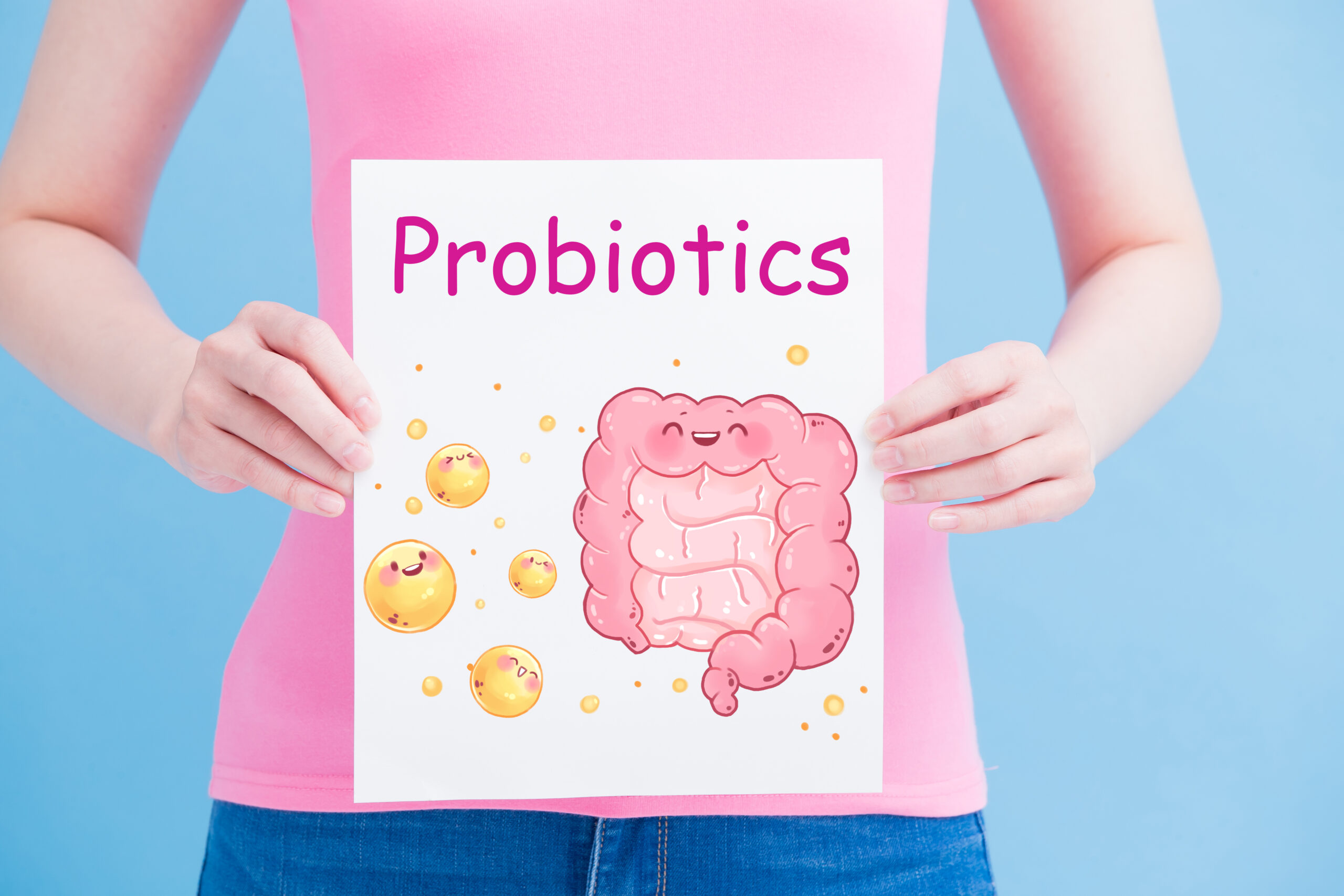
Probiotics are expressed as live beneficial bacteria types that support proper intestine health. Harmful bacteria compete with them while the body utilizes nutrients better and fights off infections.
Common probiotic foods include:
- Yogurt with live cultures
- Kefir
- Sauerkraut
- Kimchi
- Miso
Adding probiotics to your diet provides better digestion by reducing unpleasant feelings, and it promotes regular bowel movements while keeping the intestinal walls healthy. When picking supplements, look for strains that cover many types of good bacteria combined with a highly effective dose.
What Are Prebiotics?
Contrary to probiotics which are living organisms, prebiotics do not contain living organisms. These particular fibres benefit the good bacteria in your digestive system when you eat them. These foods bypass digestion in the stomach and enter the colon, where healthy gut bacteria use them as food.
Foods rich in prebiotics are:
- Garlic
- Onions
- Leeks
- Asparagus
- Bananas
- Whole oats
Eating food choices with these elements will expand gut microbe varieties and bolster your digestive system to stop many digestive problems.
How Prebiotics and Probiotics Work Together
Prebiotics and probiotics make an effective partnership that scientists term synbiotics. Probiotics require prebiotic nutrients to grow healthy colonies in the digestive system. The two elements work together to keep the gut lining strong while lowering swelling and enhancing your metabolic rate.
Here are easy recipes to pair these ingredients together:
- Yogurt topped with sliced banana
- Oats cooked with kefir
- Stir-fries with garlic and a side of kimchi
Taking these elements together strengthens their benefits while building better gut health in the long run.
Key Health Benefits to Know
These health benefits cover many areas in your body, from prebiotics and probiotics combined.
- Supplying probiotics helps control diarrhea as well as improves brain function, and strengthens your immune system.
- The body uses prebiotics to move stool properly while absorbing more calcium and fighting inflammation.
These two food types benefit multiple health problems by fixing gut imbalance while fortifying the connection between the gut and the brain.
Tips for Adding Them to Your Routine
Many first-time users of these foods need to start their intake gradually. Introducing them can cause minor gas discomfort for specific individuals. Your body requires time to adapt, so raise your consumption over time.
Practical ways to include them:
- Include fermented vegetables when you eat meals
- Snack on bananas or cooked oats
- Put garlic and onion directly into soups and cooking stir-fries
Take care to drink enough water and manage stress because these steps lead to a healthy gut system.
Final Thought:
Your digestive health will strengthen when you eat foods containing both prebiotics and probiotics regularly.
