









Meloxicam: Understanding Pain, Inflammation, and Everyday Management
Pain and inflammation can turn routine tasks into daily hurdles. Many people live with joint stiffness, swelling, and fatigue without clear guidance. Meloxicam is one option doctors may discuss, but it’s only one part of a larger care plan. For a plain-language overview of how Meloxicam fits into care, see Meloxicam on our site for general background.
Arthritis conditions like osteoarthritis and rheumatoid arthritis affect mobility, mood, and sleep. Parents of children with juvenile idiopathic arthritis also face tough choices. This guide explains inflammation, treatment trade-offs, and practical tips to support everyday life.
What Inflammation Means for Joints
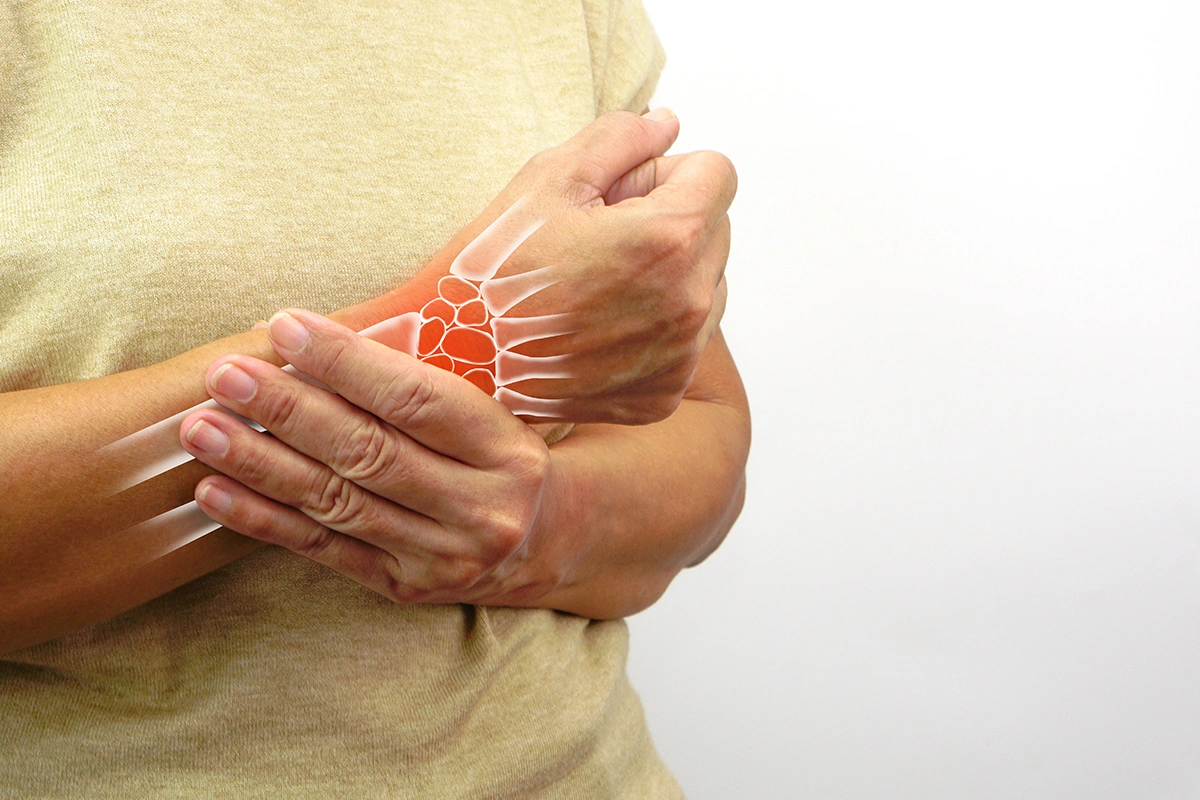
Inflammation is the body’s response to stress or injury. In joints, it can cause swelling, warmth, and pain. Over time, persistent inflammation may damage cartilage and limit range of motion.
People often notice morning stiffness, pain after rest, or flares triggered by activity. These symptoms can vary day to day, which makes planning difficult. Tracking patterns helps you and your clinician tailor a clear plan.
Where Meloxicam May Fit
Meloxicam belongs to a group of medicines called NSAIDs, which reduce inflammation and relieve pain. Clinicians sometimes consider it for adults with osteoarthritis or rheumatoid arthritis, and in certain cases for adolescents with juvenile idiopathic arthritis. The goal is to ease symptoms so daily activities feel more manageable.
Like other NSAIDs, it’s not a cure. Meloxicam can help control pain and stiffness while exercise, physical therapy, and lifestyle changes address function. Many people use it for flares or short courses. Others use it longer-term with regular check-ins and monitoring.
Potential Benefits and Trade-Offs
Every option has pros and cons. Potential benefits include reduced joint pain, improved morning mobility, and more comfortable movement. Some people find they can return to activities they value, like walking with friends or gardening in short intervals.
Risks vary. NSAIDs can irritate the stomach lining and raise the risk of ulcers or bleeding, especially with higher doses or alcohol use. They can also impact kidney function and may increase cardiovascular risks in some people. Those with a history of ulcers, heart disease, kidney disease, or uncontrolled blood pressure should discuss alternatives or added protections, such as stomach-protective strategies.
Pregnant or breastfeeding individuals, and those taking blood thinners or multiple pain relievers, need tailored guidance. Older adults may require lower doses and closer monitoring. It’s important to use the lowest effective dose for the shortest time that meets your goals.
Talking With Your Clinician
Preparing for appointments can improve decisions and outcomes. Consider bringing a brief symptom journal and a list of questions. Note what makes pain better or worse, how long stiffness lasts, and whether swelling limits daily tasks.
Discussion Checklist
- Your top goals: better sleep, walking distance, work tasks, or childcare.
- Other conditions: heart, kidney, stomach, or bleeding issues.
- Current medicines: prescription, over-the-counter, and supplements.
- Past experiences with NSAIDs: benefits and side effects.
- Monitoring plan: labs, blood pressure, and follow-up timing.
Ask about dosing timing, with or without food, and what to avoid. Clarify when to stop and call, especially for black, tarry stools, unusual bruising, shortness of breath, chest pain, or sudden swelling.
Everyday Strategies That Support Joint Health
Medicine is only one part of care. Many people see the best results from a combination of movement, recovery, and daily routines. Consider these practical steps and adjust with professional guidance.
Movement and Therapy
- Gentle activity most days helps circulation and stiffness. Try walking, cycling, or water aerobics.
- Strengthening nearby muscles reduces joint load. Prioritize hips, thighs, core, and shoulders.
- Range-of-motion exercises maintain flexibility. Start slow, pause with pain spikes, and resume when settled.
- Physical or occupational therapy can personalize exercises and joint protection techniques.
Pacing and Pain Plans
- Alternate activity with short rests. Aim to stop before the pain flares.
- Use heat to loosen stiff joints before activity; apply cold for swelling after.
- Create a “flare kit” with a schedule, tools (wraps, braces), and communication plan.
Nutrition and Sleep
- Balanced meals with fruits, vegetables, legumes, whole grains, and lean proteins support overall health.
- Consider omega-3 sources like fish or flax. Discuss supplements before starting.
- Prioritize consistent sleep routines. Manage light, noise, and temperature for deeper rest.
Weight and Joint Load
Even modest, sustainable weight loss can ease pressure on weight-bearing joints. Focus on steady habits, not quick fixes. Celebrate small wins and reassess goals monthly.
Understanding Conditions and Symptom Patterns
Osteoarthritis often causes pain with activity and stiffness after rest. Rheumatoid arthritis can bring symmetrical joint pain, morning stiffness, and fatigue. Juvenile idiopathic arthritis may present as joint swelling, limping, or eye inflammation in children.
Knowing your pattern can guide choices about Meloxicam and non-medicine strategies. If you want a broader look at nonprescription supports, explore our Pain Inflammation section for general education about managing symptoms and daily function.
Safety Basics and Monitoring
Use only one NSAID at a time unless your clinician advises otherwise. Check all combination products for hidden NSAIDs. Limit alcohol to reduce stomach and bleeding risks.
Ask about kidney function checks, blood pressure monitoring, and any lab work. Report new swelling, shortness of breath, chest pain, black stools, or severe stomach pain promptly. If you miss a dose, don’t double up without guidance.
Store medicines safely away from children and pets. Keep an updated medication list with dosages and timing. Share this list with every clinician and pharmacist you see.
Support for Families and Young People
For adolescents with arthritis, routines can be challenging around school and activities. Clear communication with teachers, coaches, and caregivers helps set realistic expectations. Plan for movement breaks, hydration, and recovery time after sports or band practice.
Focus on participation, not perfection. Encourage self-advocacy and celebrate progress, like increased flexibility or improved attendance. Regular follow-ups help adjust treatment and therapy as needs change.
When Treatment Needs Change
Symptoms evolve. A strategy that worked last year may not fit today’s goals. If stiffness returns or side effects appear, revisit the plan early. Meloxicam might be adjusted, paused during illness, or replaced with other options after clinical review.
Consider second opinions for complex cases or when major life events change priorities. Surgery, injections, or disease-modifying therapies may be considered in specific situations. The right mix balances relief, safety, and your personal values.
Putting It All Together
Living with joint pain is more than a diagnosis. It’s the struggle to stay active, sleep well, and enjoy daily life. With thoughtful planning, education, and steady support, many people regain confidence in movement and routine.
Meloxicam can be one tool among many. Pair it with movement, pacing, and supportive nutrition. Seek regular check-ins, and adjust the plan as life and symptoms change. For site-wide resources and updates, visit BorderFreeHealth.Medical disclaimer: This content is for informational purposes only and is not a substitute for professional medical advice.