

INTRODUCTION:
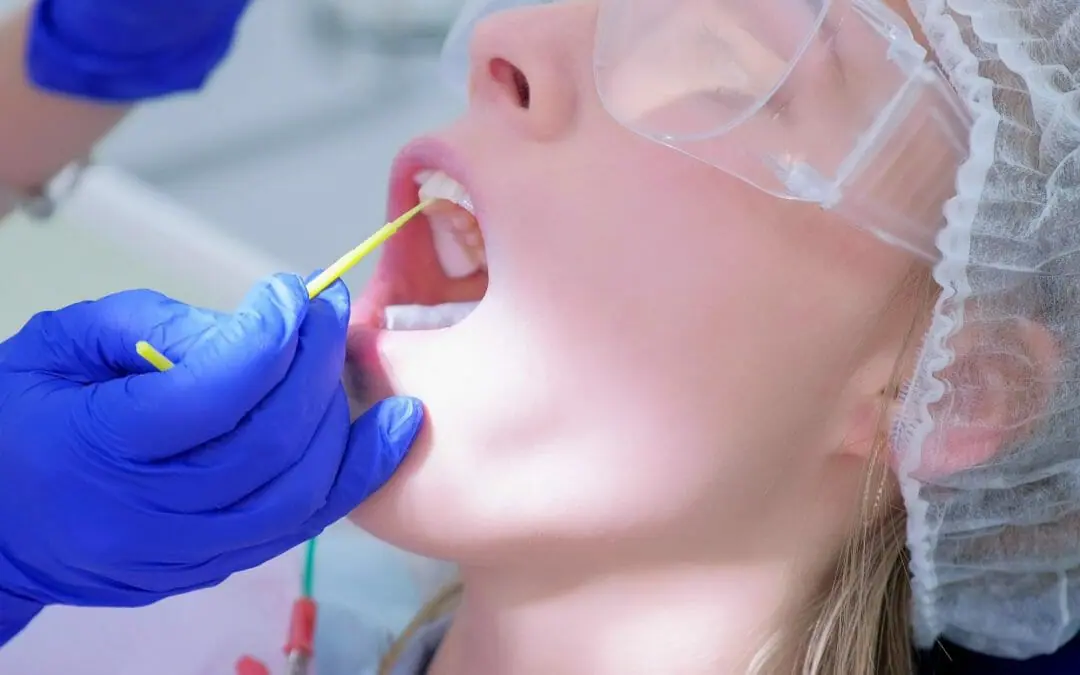
Fluoride treatments are professional applications often in the form of varnish, gel, foam, or solutions, used by dentists to deliver a high concentration of fluoride directly to the tooth surfaces. In some cases, an orthodontist may also recommend fluoride treatments, especially for patients with braces or other appliances that make cleaning more difficult. Unlike regular toothpaste or over‑the‑counter rinses, these treatments provide a more potent dose of fluoride that strengthens enamel and helps reverse early decay..
HOW FLUORIDE WORKS ON TEETH?
1. STRENGTHENING ENAMEL & PROMOTING REMINERALISATION
Fluoride integrates into weakened tooth enamel by replacing hydroxide ions and forming Fluor apatite, a mineral that’s more resistant to acid attack than natural hydroxyapatite. It also draws calcium and phosphate ions from saliva to help repair early erosion, restoring enamel before cavities fully form.
2. SLOWING BACTERIAL DAMAGE
When acids from plaque bacteria lower oral pH, fluoride ions can enter bacterial cells in the form of hydrogen fluoride (HF). Once inside, they disrupt key enzymes and acid production, reducing bacterial growth and acid generation, key drivers of tooth decay.
3. INCREASING RESISTANCE TO ACID
Fluorapatite created through fluoride exposure lowers the threshold at which enamel dissolves—from about pH 5.5 to pH 4.5—making teeth more resistant to acid demineralization from bacterial activity and acidic foods.
THE BENEFITS OF PROFESSIONAL FLUORIDE TREATMENT:
- Significantly reduces cavity risk: Clinically proven to decrease new decay and slow the progression of early cavities.
- Saves money in the long run: Preventing cavities early reduces the need for expensive fillings, crowns, or extractions.
- Protects both primary and permanent teeth in children: Fluoride protects developing teeth before they emerge, and continues to strengthen enamel during childhood and teen years.
- lessen dental sensitivity: By strengthening exposed enamel or root surfaces, and can reduce discomfort from cold or heat stimuli.
ARE FLUORIDE TREATMENTS SAFE?
Fluoride treatments are safe when used correctly:
- Minimal ingestion risk: Especially with varnish, only tiny amounts are used, and they adhere to tooth surfaces, limiting swallowing and reducing fluorosis risk.
- Rare side effect: Over‑exposure can lead to dental fluorosis (white spots or mottled enamel), but this typically affects children under 8 years old if excess fluoride is ingested during enamel formation
- Toxicity concerns are low: The quantity used in office treatments is far below harmful levels, and even younger children receive safe exposure.
INTEGRATING FLUORIDE INTO DAILY ORAL CARE:
- Brush twice daily with fluoride toothpaste.
- If needed, use fluoride mouth rinses or gels at home under dental guidance.
- Fluoridated drinking water also provides continuous low‑level exposure that maintains enamel strength over time.
CONCLUSION:
Fluoride treatments are a cornerstone of cavity prevention. Professionally applied fluoride strengthens enamel, helps reverse early decay, and slows harmful bacteria. When used correctly and sparingly in children, the risk of side effects is minimal. Regular dental visits combined with fluoride varnish and vigilant home care can significantly reduce the risk of tooth decay and promote lasting dental health. By embracing both professional fluoride treatments and consistent daily use, patients can enjoy stronger enamel, fewer cavities over time, and ultimately, healthier smiles throughout life.
