

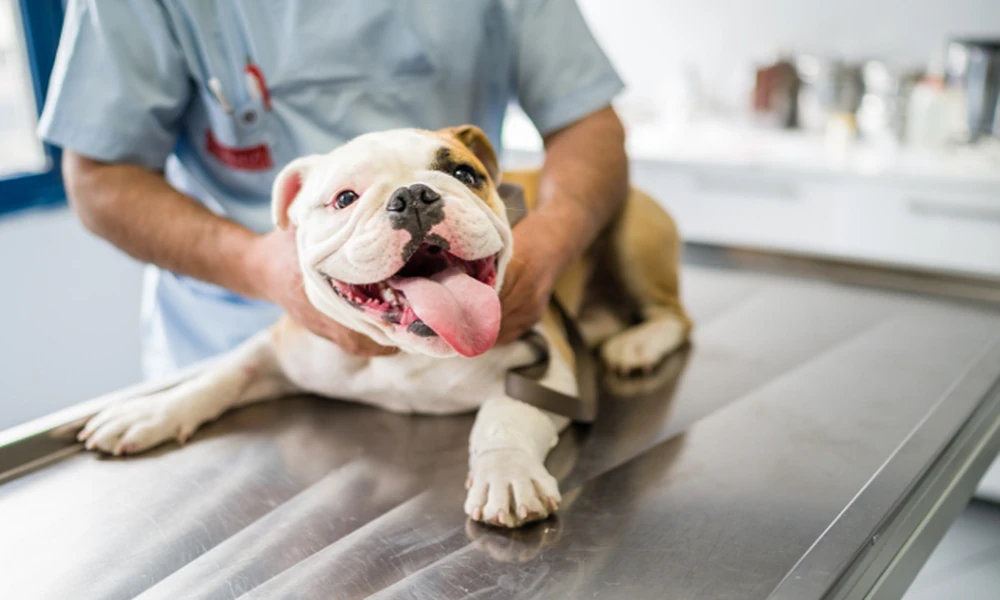
You brought your pet home, set up the blankets, checked the meds twice, and now every small movement feels loaded with meaning. If they sleep more than usual, you wonder if that is normal. If they stand up and ask for water, you wonder if they are doing better or pushing too hard. That kind of watchfulness is exhausting, especially after a hospital stay when you are already running on worry. A Vestavia Hills vet can help you understand what is normal during recovery and when it is time to check in.
The good news is that recovery often shows up in quiet, steady ways. You are usually looking for the same basic pattern. Your pet is more comfortable, more interested in food and water, able to rest without distress, and slowly returning to normal habits. Knowing the signs your pet is recovering well after hospitalization can help you separate normal healing from warning signs that need a call to a veterinary hospital.
Comfort and routine are strong signs of pet recovery after hospitalization
One of the clearest signs is improved comfort. Your pet may still be tired, sore, or less active than usual, but they are not stuck in obvious distress. They can settle down, change positions without struggling, and rest for longer stretches. A dog that stops pacing and finally naps, or a cat that is no longer hiding every minute of the day, is often moving in the right direction.
Appetite matters too. A full return to normal eating may take a little time, especially after anesthesia, pain medicine, or stomach upset, but interest in food is a strong sign that the body is stabilizing. The same goes for drinking water in a normal way. If your pet is nibbling, swallowing comfortably, and keeping food down, that is usually reassuring.
Bathroom habits tell you a lot. Urinating and having bowel movements without straining, severe diarrhea, or obvious pain often means the system is getting back on track. After surgery or hospitalization, some delay can happen, but complete refusal to urinate, repeated vomiting, or severe constipation should never be brushed aside.
Mobility is another clue. Recovery does not mean a sudden burst of energy. It looks more like small gains. They get up more easily. They take a few steps with less stiffness. They seem more aware of their surroundings. These are often the early signs of a healthy pet recovery that owners notice before anything else.
Healing incisions and calmer behavior often show the body is stabilizing
If your pet had surgery, the incision site can tell you a lot. Mild redness and slight swelling can be normal at first, but the area should gradually look cleaner and less irritated, not worse each day. There should not be thick discharge, a bad smell, or gaping skin. Pets who leave the area alone, or can be redirected from licking it, are often feeling better overall.
Behavior changes can be easy to misread. Many owners expect a pet to bounce back fast, then panic when that does not happen. Recovery is rarely dramatic. A better sign is a calmer, more settled mood. Your pet notices you when you enter the room. They respond to their name. They show mild interest in a toy, a walk, or their usual sleeping spot. Those small returns to personality matter.
That is why aftercare instructions are so useful. The Tufts aftercare guidance outlines what normal recovery can look like after treatment and when changes deserve a call. If your pet had a spay or neuter procedure, both the Seattle Animal Shelter post surgery instructions and Orange County Animal Care after care tips for cats and dogs help you compare what you are seeing at home with expected healing.
Small improvements matter more than one perfect day
Recovery is not always a straight line. Your pet may seem brighter in the morning and more tired by evening. They may eat well one meal, then ignore the next. That does not always mean something is wrong. What matters is the trend. Are they slowly improving over a day or two, or are they slipping backward?
A pet that can rest, eat a little more, move a little easier, and stay interested in the world around them is usually on a healthy path. A pet that becomes more withdrawn, more painful, less responsive, or less able to keep food and water down needs attention sooner rather than later. This is where owners often get stuck. They wait for one dramatic sign, when the real answer is usually in the pattern.
Normal recovery signs versus warning signs after a veterinary hospital stay
| What You See | Often Part of Normal Healing | Call a Veterinary Hospital |
|---|---|---|
| Energy level | Tired but alert, resting more than usual | Extreme weakness, collapse, hard to wake, confusion |
| Appetite | Eating small amounts, gradual return of hunger | Refusing all food, repeated vomiting, cannot keep water down |
| Incision or wound | Mild redness, mild swelling, dry surface | Bleeding, pus, foul odor, opening skin, worsening swelling |
| Movement | Slow walking, mild stiffness, improving each day | Crying out, refusing to stand, sudden worsening limp |
| Bathroom habits | Minor delay, then normal urination and stool | No urination, straining, severe diarrhea, blood |
| Behavior | Quiet but responsive, seeking comfort | Hiding constantly, agitation, distress, not responding normally |
Clear steps help you monitor pet healing at home
Track the basics twice a day. Write down appetite, water intake, bathroom habits, activity level, and medication times. Memory gets fuzzy when you are stressed. A short log makes changes easier to spot, and it gives your veterinary hospital useful details if you need to call.
Protect rest and limit activity. Many pets look better before they are fully healed. That is where setbacks happen. Follow discharge instructions closely, keep jumping and rough play limited, and use cones, recovery suits, or crate rest if advised. Feeling better is not the same as being healed.
Respond early to changes. If your pet seems more painful, stops eating, vomits repeatedly, struggles to breathe, or the incision suddenly looks worse, contact a veterinary hospital right away. Early calls are often easier and less costly than waiting until a problem becomes urgent.
Steady progress is the best sign your pet is healing well
You do not need your pet to act completely normal on day one. You are looking for steady progress, comfort, and small returns to routine. Those are often the most reliable pet recovery signs after hospitalization. Trust the pattern more than any single moment, keep your instructions close, and reach out to your veterinary hospital if something feels off. Careful attention at home makes a real difference, and your pet has a better chance to heal well because you are paying such close attention.
