

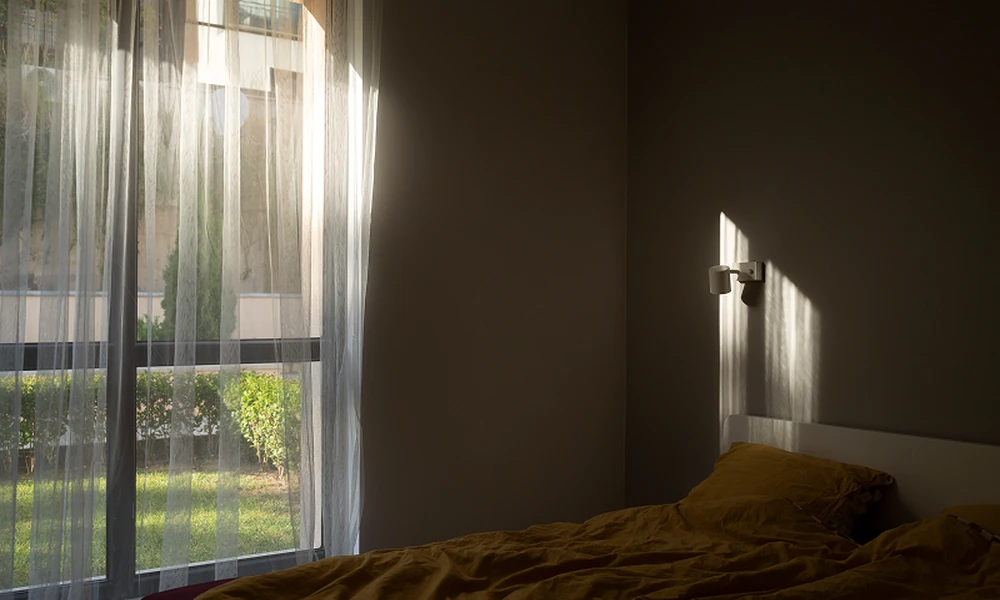
Haze season gets blamed for a great deal, and understandably so, but plenty of people with a consistently sensitive nose notice their worst symptoms on perfectly clear days, right at home. The air outside isn’t always the main issue. Often, it’s the air a few feet from the pillow that’s doing most of the damage.
It’s an easy thing to miss, mostly because the outdoors gets all the attention. Air quality indexes, haze alerts, weather apps, all pointing outward, while the far more constant exposure sitting indoors goes largely unmentioned.
The Room Most People Never Suspect
For a genuinely large share of people managing ongoing nasal symptoms, the bedroom, not the outdoors, turns out to be the single biggest source of exposure. Dust mites alone can account for a substantial share of year-round symptoms, and they thrive in exactly the place people spend a third of their day: the mattress, the pillows, the blanket folded at the foot of the bed.
This single insight tends to reframe how people think about their symptoms entirely, shifting the question from what’s happening outside today to what’s been quietly accumulating indoors for months.
Why Outdoor Air Gets Blamed First
It makes intuitive sense to blame the outdoors; haze events are visible, widely reported, and easy to connect to a bad symptom day. Indoor triggers don’t come with the same obvious cue. Dust mites, mould spores, and pet dander build up quietly over weeks, with no single dramatic event to point to, which is exactly why they’re so often overlooked as the actual cause.
There’s also a psychological element to this. A haze alert gives people something concrete to react to: closing windows, checking an app, staying indoors. A slowly accumulating layer of dust on a mattress offers no such prompt, so it simply gets ignored until symptoms are consistent enough to investigate properly. By the time someone connects the dots, months or even years may have passed with the actual cause sitting a few feet away the entire time.
The Real Culprits Hiding Indoors
An ENT specialist in Singapore will often ask specifically about the home environment during a consultation, since indoor allergen exposure is frequently a larger factor than patients initially assume. A few of the more common indoor triggers and where they tend to build up:
| Trigger | Where It Hides | A Simple First Step |
| Dust mites | Bedding, pillows, and soft furnishings | Wash bedding weekly in hot water |
| Mould | Humid corners, bathrooms, air-con units | Improve ventilation, clean air-con filters regularly |
| Pet dander | Sofas, carpets, curtains | Vacuum regularly with a HEPA filter |
| Strong fragrances | Candles, diffusers, cleaning products | Switch to fragrance-free alternatives |
None of these fixes requires major renovation; they’re mostly about routine, which is exactly why they’re easy to overlook until someone points them out directly. Small, consistent habits tend to matter more here than any single deep clean.
It’s also worth checking more than just the bedroom. Sofas, curtains, and even car interiors can hold onto the same triggers, which is why symptoms sometimes persist even after a bedroom has been thoroughly addressed.
When It’s More Than Just Housekeeping
For some people, even a thoroughly cleaned home doesn’t fully resolve symptoms, which suggests either a trigger that hasn’t been identified yet or a contributing factor beyond allergens altogether. Anyone managing a sensitive nose allergy that persists despite consistent home changes may benefit from a proper assessment to clarify what’s actually driving the ongoing symptoms, rather than continuing to guess at home remedies indefinitely.
A structured assessment can also rule in or out other contributing factors entirely, since not every persistent symptom traces back to an allergen at all; some have a structural or non-allergic explanation that cleaning alone was never going to solve.
The next haze alert might genuinely be worth reacting to. But for a lot of people with an ongoing sensitive nose, the more useful question isn’t what’s happening outside the window; it’s what’s been quietly building up on the other side of the bedroom.
Sometimes the biggest shift in managing symptoms isn’t a new medication at all; it’s simply looking in a different direction than the one everybody assumes is the obvious culprit.
Ready to find out what’s actually behind the sniffles? Contact The ENT Practice and get a clearer picture beyond the guesswork.
