

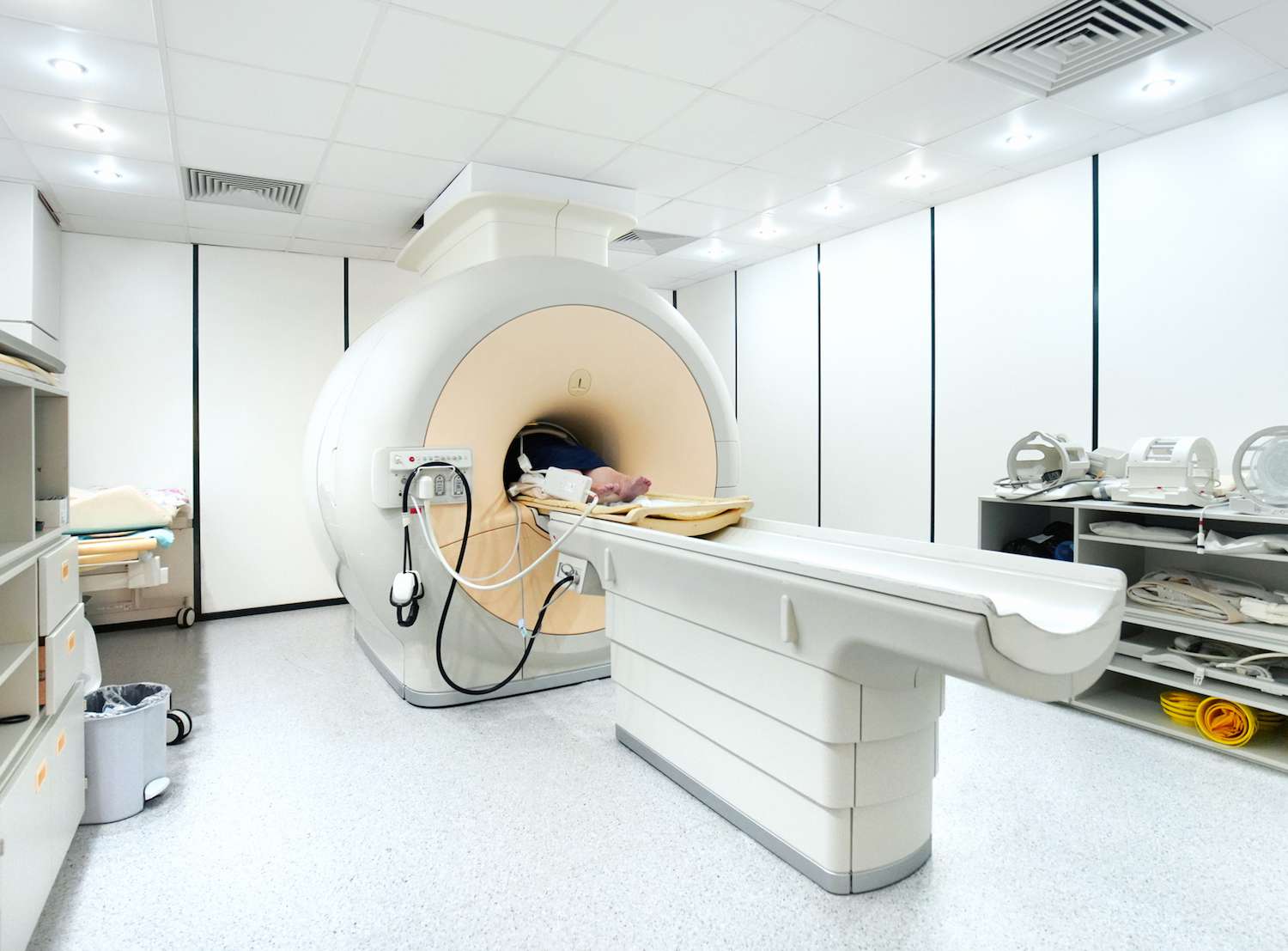
MRI scans and CT scans are both medical imaging techniques used to obtain detailed images of the body’s inside. When deciding on the best diagnostic imaging techniques, doctors compare MRI scan Vs CT scan to make the best choice for the specific purpose.
While both CT and MRI scans create detailed images of organs and structures inside the body, they are entirely different technologies. CT scans are created by a CT scanner connected to a computer. The scanner takes multiple X-ray images of the body from different angles.
Magnetic Resonance Imaging (MRI) uses magnet fields and radio waves to create images.
For both scans, patients lie still on a table as it moves through a large, doughnut-shaped machine.
MRI Scan Vs CT Scan: Purpose
MRIs and CT scans are used to look at different types of tissues in order to make diagnoses and monitor various conditions.
CT Scan
CT scans can show images of bones, muscles, organs and blood vessels and are used to detect conditions such as:
- Bone fractures
- Spinal cord injuries
- Brain injuries
- Internal bleeding
- Internal injuries
- Tumours (cancerous and noncancerous
- The spread of a disease, such as cancer
- The function of organs like the kidneys or liver
Doctors use CT scans to monitor the progress of a disease to see if it’s getting worse or better with a particular treatment. CT scans can also show doctors what stage a cancer is at.
MRI
MRI is the technology of choice for detecting and monitoring brain disorders. Doctors use the technology to obtain detailed images that:
- Help visualise brain disorders
- Measure the size of brain structures
- Reveal how a disease is progressing
- Provide early detection of cancers
In addition, a whole-body MRI can reveal:
- Abnormalities in the lymph nodes in the neck
- Thyroid masses
- Major arteries and soft tissues, lymph nodes, nodules, plaque in arteries
- Details of internal organs
- Details of male prostate and female pelvis, including prostate cancer and uterine cancer
- Degenerative disc disease and spinal stenosis
A whole-body MRI can provide doctors and specialists with a picture of a patient’s overall health.
MRI Scan Vs CT Scan: Advantages and Disadvantages
Advantages
Magnetic resonance imaging produces more detailed images than CT scans. The technology is a better choice for soft tissue imaging. MRIs can produce clearer images of organs and soft tissues, including torn ligaments and herniated discs.
CT scans are more affordable than MRIs. An MRI will cost you almost double the price of a CT scan. CT scans are super-quick, lasting no more than a minute. An MRI typically takes 15 to 90 minutes. For this reason, CT scans are the preferred choice in emergencies and if a patient is in a lot of pain.
Because it’s so fast, a CT scan can help a doctor to make a diagnosis in an emergency. For instance, a CT scan will reveal whether a stroke was caused by haemorrhaging or a blocked artery.
CT scans are also employed for patients who can’t lie still for extended times since these scanners are not as sensitive to movements as MRI scanners.
CT scans are also the preferred choice if the size of the patient is such that it’s not possible or is uncomfortable to fit inside a usual MRI device. In these cases, CT scans, with their more open design, provide a better choice.
Disadvantages
CT scans don’t create the same level of detail as MRIs, which means the doctor may receive an incomplete picture of a patient’s condition.
MRIs don’t provide clear images of bones or bone matter, so they are not the technology of choice for bone injuries or bone cancer. MRIs are also not the optimal choice to detect blood cancers since these cancers are present in blood and bone marrow and not in tumours, which MRIs are better at detecting.
MRI scanners are extremely sensitive. This means that patients must lie very still during the procedure, with some of them receiving sedatives to help them relax. Any movement will spoil the images. For images in the thoracic region, patients may even have to hold their breath for a while.
An MRI can be very loud. The creation of a magnetic field creates a lot of noise, up to 100 Decibels, requiring patients to wear ear protection.
MRI Scan Vs CT Scan: Risks
There are some risks to both MRI and CT scans.
CT scans expose patients to radiation. Doctors regard the levels of radiation exposure as safe. However, when a patient needs multiple CT scans over time, the levels of radiation exposure can add up, which may be dangerous to the patient.
Pregnant women should avoid abdominal scans, as CT scans can expose an unborn child to radiation.
Iodine contrast dyes are often used in CT scans. Iodine can cause severe allergic reactions in people who are allergic to it, so those sensitive to iodine should inform their doctors beforehand.
MRI scans generate an intense magnetic field, which can cause problems for patients who have:
- Implants with metallic components, such as an IUD or a pacemaker
- Artificial joints
- Eye implants
- Aneurysm clips
- Shrapnel
These patients can’t have an MRI as the magnetics can pull the devices from the person’s body. People with dark tattoos must also avoid MRIs as some dark tattoo inks are metallic. If you’d like to find out more, read this article on the differences between MRI and CT scan.
