
Close Menu
    Facebook X (Twitter) Instagram
    Trending
    • Why Preventive Dentistry Protects the Investment in Your Smile
    • Flu Symptoms 2026 Adults: What to Watch For This Season
    • Why Fluoride Treatments Are Important for Children’s Oral Health
    • How Cancer Insurance Complements Your Existing Health Coverage
    • Emergency Dentist Visit: What to Expect at Your Appointment
    • Posture Belt for Men: Indoor vs Outdoor Comfort
    • What To Expect During Your First Visit To A Weight Loss Clinic Near Me
    • Things to Know Before Selecting Synthetic Urine Preparation Products
    • Contact Us
    • About Us
    Health Improve
    Thursday, August 13
    • Detoxing
    • Health
    • Weight loss
    • Medicine
    • Diet
    Health Improve
    Home » Helping to Protect Against Healthcare-Associated Infections
    Health

    Helping to Protect Against Healthcare-Associated Infections

    Adam LutherBy Adam LutherJuly 16, 2024Updated:July 16, 2024No Comments2 Mins Read
    Facebook Twitter Pinterest LinkedIn Tumblr Email
    Helping to Protect Against Healthcare-Associated Infections
    Share
    Facebook Twitter LinkedIn Pinterest Email

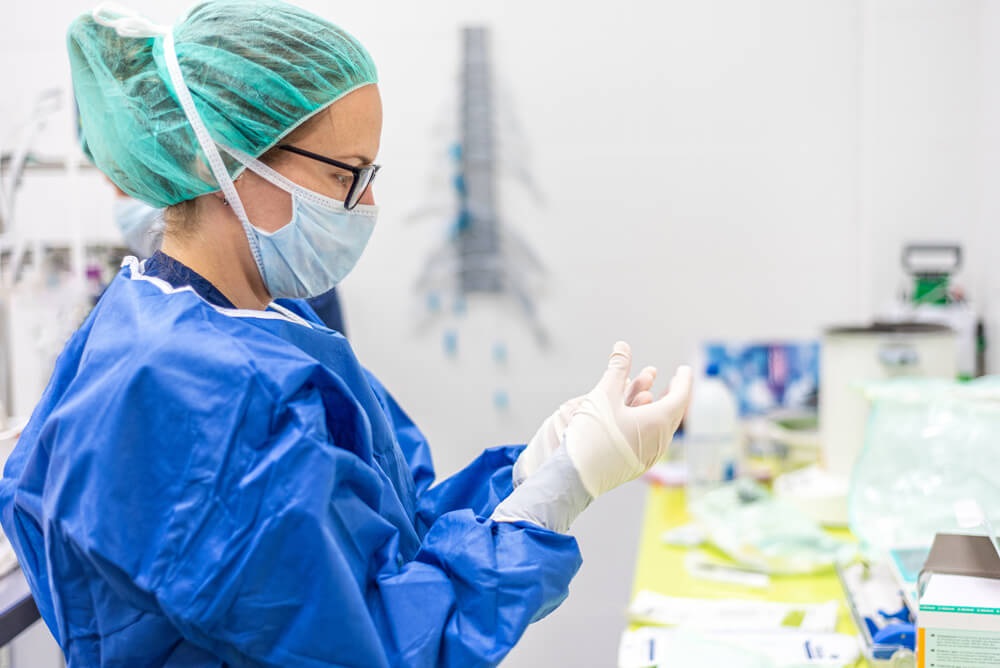
    Healthcare-associated infections (HAIs) are infections that patients can acquire during treatment for medical or surgical conditions in various healthcare environments such as hospitals, nursing homes, and clinics. These infections can arise from procedures like surgeries or through the use of devices such as catheters and ventilators. Germs that cause HAIs can come from multiple sources, including the patient’s own skin, healthcare personnel, visitors, or even the facility’s environment, such as water systems or air conditioning.

    HAIs can have serious impacts on patients by increasing illness and death rates, particularly if the infections are resistant to antibiotics. They also lead to longer hospital stays, driving up healthcare costs and straining healthcare resources. Furthermore, these infections add emotional and financial burdens for patients and their families.

    Preventing HAIs requires multiple strategies. Key measures include improving hygiene practices like regular handwashing by healthcare workers, patients, and visitors. Appropriate use of antibiotics is vital to prevent the development of resistant bacteria. Environmental controls, such as regular testing and maintenance of the healthcare setting, ensure proper ventilation and room pressure, especially in surgical areas. Routine cleaning and disinfection of the healthcare environment and sterilization of medical instruments reduce infection risks. Educating and training healthcare workers, patients, and visitors about the risks and prevention strategies for HAIs are also crucial.

    Ongoing and critical, these prevention efforts involve both technological advancements and procedural reforms in healthcare settings. They not only protect patients but also enhance the efficiency and effectiveness of healthcare delivery. Ensuring adherence to established protocols, such as air quality control in operating rooms and the proper maintenance of ventilator systems and the medical gas system, is fundamental in providing a safer environment for the most vulnerable patients, particularly those with compromised immune systems.

    Share. Facebook Twitter Pinterest LinkedIn Tumblr Email
    Adam Luther

    Related Posts

    Flu Symptoms 2026 Adults: What to Watch For This Season

    August 1, 2026

    Posture Belt for Men: Indoor vs Outdoor Comfort

    July 6, 2026

    Kasey McKillip Sheds Light the Human Side of Working in Diagnostic Imaging

    June 27, 2026

    Comments are closed.

    Recent Post

    Why Preventive Dentistry Protects the Investment in Your Smile

    August 3, 2026

    Flu Symptoms 2026 Adults: What to Watch For This Season

    August 1, 2026

    Why Fluoride Treatments Are Important for Children’s Oral Health

    July 24, 2026

    How Cancer Insurance Complements Your Existing Health Coverage

    July 20, 2026

    Emergency Dentist Visit: What to Expect at Your Appointment

    July 9, 2026
    • Contact Us
    • About Us
    © 2026 health-improve.com. Designed by health-improve.com.

    Type above and press Enter to search. Press Esc to cancel.