

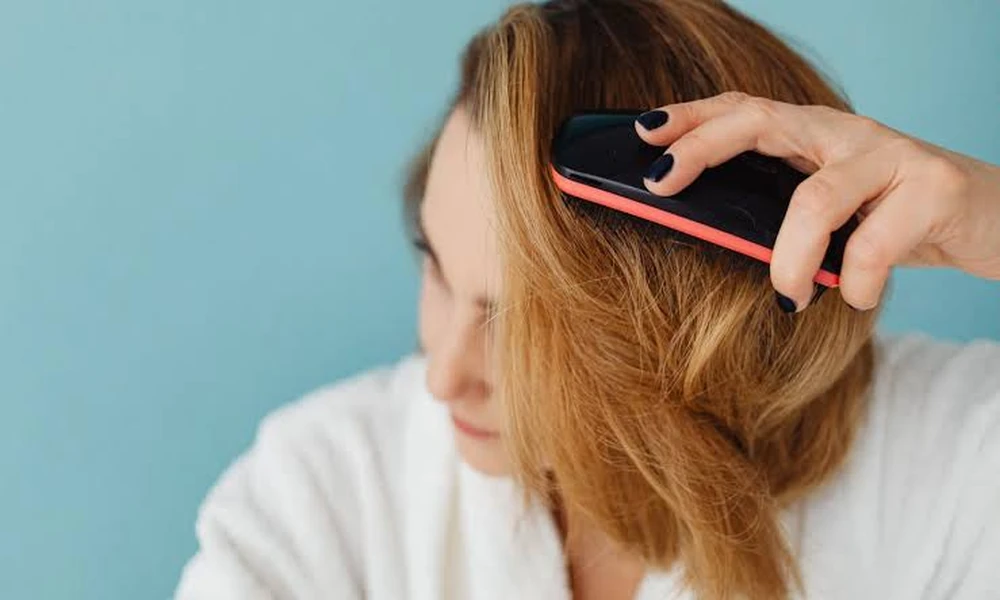
When individuals notice thinning strands or a receding hairline, their immediate instinct is often to seek products that directly force hair to grow. However, focusing solely on the hair shaft overlooks the primary biological system that sustains it: the scalp. Just as healthy soil is essential for a garden to flourish, a well-balanced, clear, and hydrated scalp foundation is necessary to support robust hair production. In Singapore’s tropical environment, high humidity, daily sweat, and urban pollution present unique challenges to maintaining ideal skin health. Understanding how your underlying skin condition dictates your approach to a hair growth treatment in Singapore helps you avoid common pitfalls and achieve long-term restoration success.
Scalp Assessment Focus: Key Metrics to Check First
Before beginning any intensive restoration protocol, a close optical assessment evaluates core skin metrics.
- Follicular Clearance: Identifying whether hair pores are blocked by hardened sebum plugs, dead skin cells, or product residue.
- Microvascular Circulation: Observing blood vessel visibility and surface circulation around active hair roots.
- Epidermal Hydration: Measuring moisture balance to ensure the skin is neither excessively oily nor cracked and dry.
- Inflammation Markers: Spotting signs of localised redness, flaking, or sensitivity that could compromise root stability.
1. Excess Sebum and Buildup Block Active Absorption
Singapore’s humid climate stimulates sweat and oil production, which can mix with environmental pollutants and styling products to form dense deposits around hair roots. When hair follicles remain trapped beneath hardened sebum plugs, active ingredients found in growth serums cannot penetrate deeply enough to reach the hair bulb.
If your skin leans toward excessive oiliness, your primary step must involve deep cleansing and gentle exfoliation. Incorporating a professional scalp treatment in Singapore clears stubborn follicular debris, ensuring that subsequent topical serums can absorb efficiently and reach the targeted roots.
2. Chronic Scalp Inflammation Triggers Premature Shedding
Unaddressed skin conditions such as seborrheic dermatitis, psoriasis, or contact irritation create a continuous state of low-grade inflammation beneath the surface. When the immune system responds to chronic irritation, inflammatory chemicals disrupt the normal hair growth cycle, forcing follicles prematurely into the telogen (shedding) phase.
Applying aggressive growth stimulants to an inflamed, tender scalp can exacerbate irritation and accelerate hair fall. Restoring skin balance with soothing, anti-inflammatory therapies must take priority before attempting to stimulate new growth.
3. A Damaged Skin Barrier Increases Sensitivity to Active Serums
The stratum corneum-the outermost layer of the skin-acts as a protective shield, preventing moisture loss and blocking harmful microbes. Frequent chemical processing, harsh synthetic shampoos, or over-exfoliation can strip this protective lipid barrier, leaving the skin dry, tight, and reactive.
When the skin barrier is compromised, applying potent active growth agents can cause burning, flaking, or allergic reactions. Rebuilding skin hydration and reinforcing the natural lipid barrier creates a resilient foundation that tolerates active formulas safely.
4. Poor Microvascular Circulation Starves Hair Bulbs of Essential Nutrients
Hair follicles are among the most metabolically active tissues in the human body, relying on a dense network of tiny blood vessels to deliver oxygen, vitamins, and amino acids. Stress, poor scalp mobility, and vascular constriction can limit blood flow to the crown and hairline, weakening the hair matrix.
If an optical assessment reveals poor surface circulation, your restoration strategy should incorporate circulation-boosting techniques. Utilising low-level light therapy (LLLT), targeted scalp massages, or micro-current stimulation helps dilate micro-vessels, nourishing roots and encouraging stronger strand production.
5. An Imbalanced Scalp Microbiome Threatens Long-Term Follicle Retention
The surface of your head hosts a delicate ecosystem of beneficial bacteria and yeasts, known as the scalp microbiome. When humidity, excessive sweat, or harsh chemicals disrupt this balance, opportunistic microorganisms like Malassezia fungi can overgrow, leading to stubborn dandruff, itchiness, and weakened roots.
Maintaining a balanced microbiome requires avoiding overly harsh antibacterial cleansers that strip natural flora. Choosing balanced, pH-neutral care products keeps the microbial environment stable, providing a secure, healthy ecosystem for newly emerging hair.
Building Your Restoration Strategy on a Healthy Foundation
Achieving lasting improvement in hair density requires looking beyond quick fixes and treating the root of the issue. By evaluating follicular cleanliness, calming inflammation, strengthening the moisture barrier, and supporting circulation, you establish the optimal environment for vibrant hair growth.
Contact Bio Organicare Scalp to schedule a comprehensive optical scalp analysis and discover how a tailored care strategy can support your long-term hair goals.
