

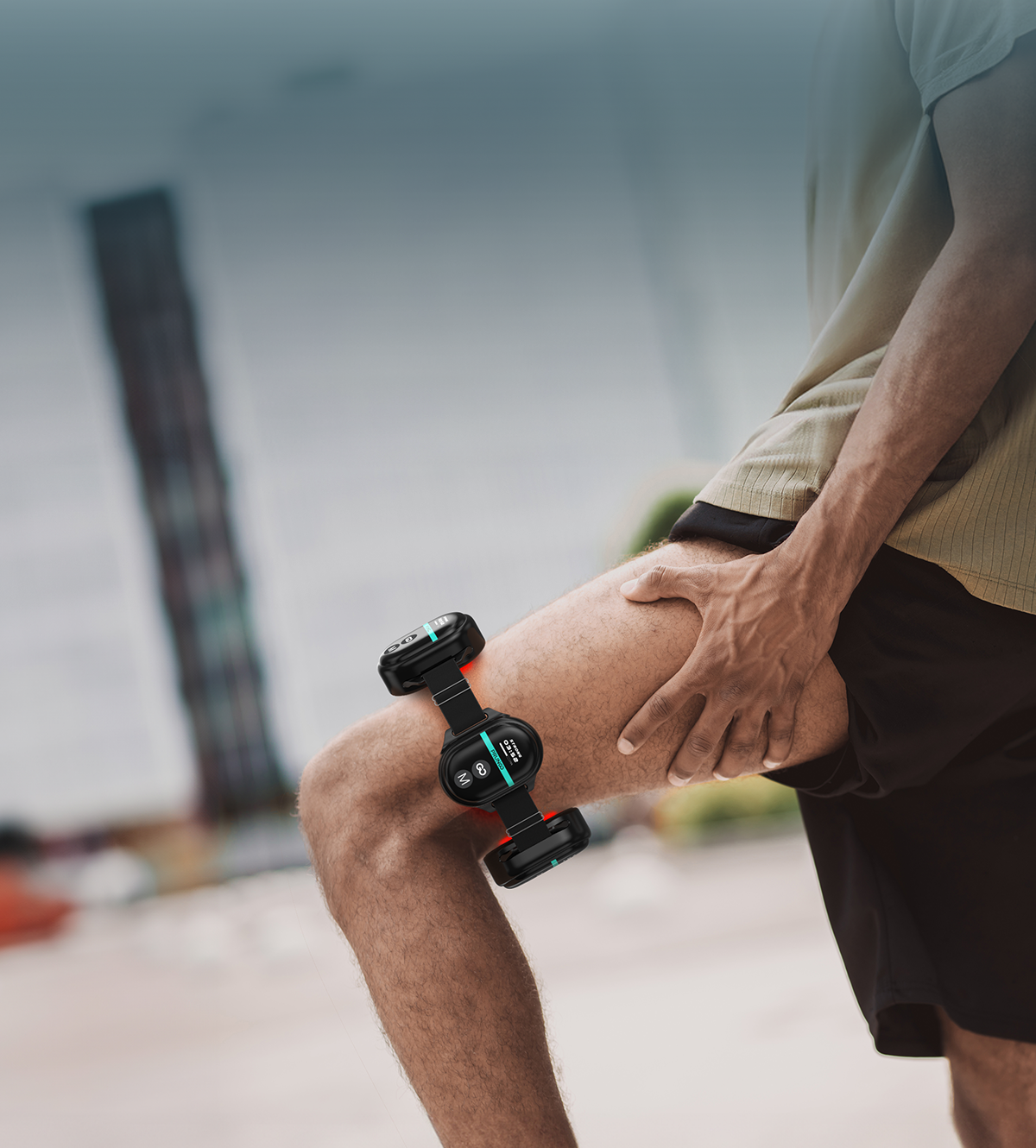
Red light therapy has drawn interest because of its potential to treat a range of health issues, including pain relief and beauty renewal. The strength of the treatment, which includes variables like exposure time, intensity, and wavelength, is crucial to its efficacy. Comprehending the efficacy of red light treatment is vital in order to optimize its advantages and get intended results.
Wavelength: Red Light Therapy’s Basic Ingredient
Red light therapy’s unique light wavelengths are what make it so effective. Red and near-infrared light waves, which usually have a wavelength between 600 and 1000 nanometers, may enter the epidermis and increase the creation of cellular energy. While red light targets the skin’s outer layers, near-infrared light penetrates deeper tissues and has different biological effects at different wavelengths.
Intensity: Striking the Correct Partial
The quantity of light energy applied to the body per unit area is referred to as the red light therapy’s intensity. Finding the ideal balance is frequently the key to getting the best outcomes, even while increasing intensity may appear beneficial. Excessive intensity might cause pain or perhaps negative responses, while too low an intensity cannot have a noticeable impact. Harnessing the full potential of red light therapy requires adjusting intensity according to specific demands and treatment objectives. In case of red light therapy strength it works fine.
Exposure Duration: Finding a Balance
The length of exposure is a crucial component of red light therapy’s effectiveness. Longer sessions raise the possibility of overexposure or decreasing benefits, but they may also provide more noticeable effects. Frequent sessions that are shorter in duration may nevertheless stimulate cellular responses just as well without putting unnecessary strain on the body. Determining the ideal length of time for every therapy session is crucial to attaining long-lasting outcomes.
Treatment Plans: Personalized for Each Patient
Treatment plans that are customized for each patient’s requirements and situations have an additional impact on red light therapy’s effectiveness. The frequency of sessions, the variety of wavelengths used, and the body parts that are being treated are all factors that affect how effective the treatment is. Red light therapy may be administered in a more individualized manner by tailoring treatment plans to individual skin types, ages, and medical conditions.
Safety Observations: Juggling the Pros and Cons
Red light treatment is usually regarded as safe when used as prescribed, but it’s important to weigh the risks against any possible advantages. A favorable treatment experience may be ensured by minimizing possible dangers and following prescribed recommendations, which include monitoring intensity levels and preventing overexposure. Seeking advice from a medical expert or qualified practitioner may help ensure that red light treatment is used safely and effectively.
Conclusion
In summary, the efficacy of red light treatment is attributed to its capacity to use certain light wavelengths that elicit physiological reactions and advance overall health and wellness. A thorough understanding of wavelength, intensity, exposure time, and treatment methods is necessary to maximize red light therapy’s effectiveness. People may fully use red light therapy to further their well-being and improve their quality of life by finding the correct balance and following safety precautions.
