

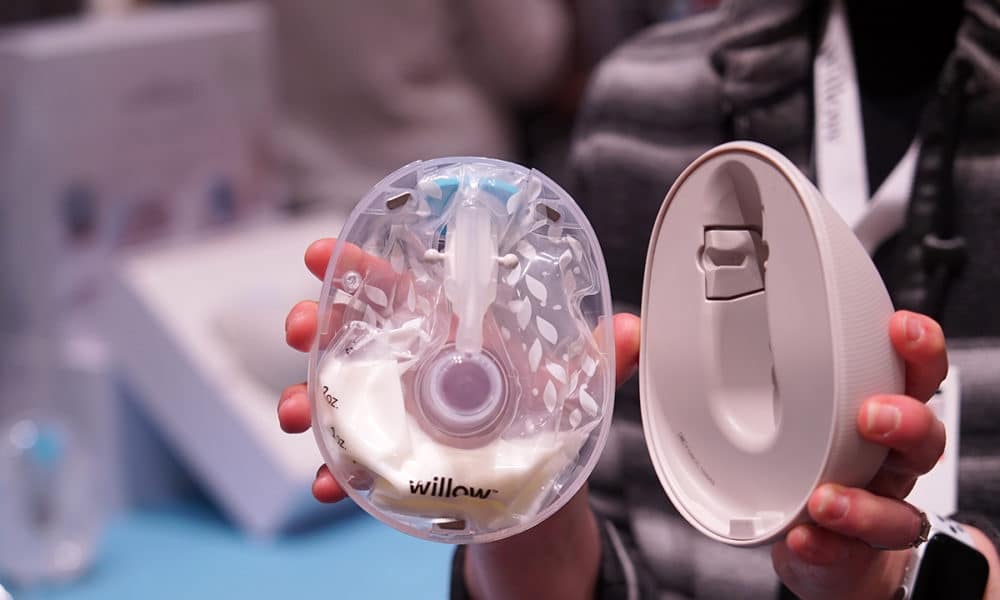
A breast pump is a need for many nursing mothers. You may be returning to work, or you may want greater freedom in terms of when and where you pump. There are various aspects to examine here, such as whether it is lightweight and robust, but first, let’s go through the pump’s key components.
Here’s what to anticipate from your breast pump, from flanges to valves.
Flanges (Breast Shields)
A flange, also known as a breast shield, is the component of the breast pump that sits directly over the nipple and creates a vacuum seal over the areola, pushing your nipple into the tunnel to extract milk. The flange secures over the breast for suction and release during pumping.
Flanges are required for pumping, so make sure you buy one that fits your nipple well. There are a variety of sizes, from a 13mm breast pump flange to a 24mm sized one. You may experiment with this to see if it works for you, and if it doesn’t, several firms sell sizes ranging from 21mm to 36mm.
Breast Pump Valves
Backflow protector membranes and breast pump valves comprise a flexible silicone substance. This is partly due to the valves stretching and releasing each time your breast pump sucks in, generating the suction you experience when feeding your baby.
Valves will ultimately wear down and become less efficient as a result of this stretching and releasing. As a result, you should change your breast pump valves regularly. Of course, this depends on how frequently you pump, but you should be able to tell when it’s time to replace your valves since your milk supply will drop.
Backflow Preventers
As the name implies, backflow guards prevent backflow from entering the breast pump motor. In summary, they serve as a physical barrier between your milk and the pump motor and a hygienic barrier for your milk supply.
Backflow protector diaphragms, like breast pump valves, should be updated regularly. The frequency is determined by how frequently you pump. Backflow protectors should be replaced every 2-3 months if you pump once a day and every 6-8 weeks if you pump more than once a day. Simply keep a watch on this section and note whether it is ripped or damaged.
Tubing
The pump motor draws in the air that passes through and is displaced by the tubes. When you first see a breast pump, you may believe the milk passes via the tubes, but this is not true.
Cleaning breast pump tubing is not required until it touches breast milk. If there is any condensation in the tubing after pumping, be sure to dry the tubes. If you discover any milk in the tubes, you should change them immediately since mould may grow fast.
Connector
This breast pump component links the tubing, breast shield, valve, etc. Membranes and milk storage containers are mutually exclusive. Depending on your chosen pump, the connector may be linked to the breast shield or independent.
It is entirely up to you which type you purchase, but remember that it is easier to clean when the connection is separated from the shield.
