

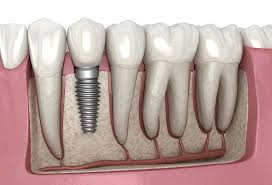
You leave an implant appointment with a folder, a few instructions, and sometimes a small card or printed note listing the implant brand, model, size, and maybe even the lot number. It can feel oddly technical for something already in your mouth. If you have ever looked at that paperwork and wondered why any of it matters, you are not overthinking it. Whether you received Westbury dental implants or treatment elsewhere, you are looking at information that may save you time, money, and stress years from now.
Your periodontist and implant dentist gives you that record because dental implants are not all the same. Parts differ by manufacturer, connection type, diameter, platform, and restorative components. If a crown loosens, a screw breaks, or you move and see a new doctor, that implant record helps the next clinician know exactly what you have. The short version is simple. Keeping the brand and model on file protects your treatment, makes repairs easier, and reduces guesswork when something needs attention.
Dental implant identification protects you long after placement
Most people think the hard part is getting the implant placed. Then life moves on. You heal, the tooth looks normal again, and you stop thinking about it. That is usually a good sign. The problem is that implant care does not end on the day the crown goes in.
If you ever need maintenance, the exact implant system matters. A loose abutment screw from one brand may not fit another. A driver used to tighten one connection may be useless for a different one. Even when two implants look similar on an X ray, the internal shape can be completely different. Without a record, a new office may need extra imaging, longer appointments, or trial and error just to identify the system.
This is one reason many clinicians provide a written implant information record after treatment. It is part of responsible continuity of care. The FDA explains in its page on dental implants and patient safety that patients should understand the device placed in their body and discuss risks, materials, and follow up needs with their dentist.
You may also run into a problem years later that has nothing to do with poor treatment. A crown can wear down. A screw can loosen after years of biting force. A lab may need to order a matching component. If your records are clear, your dentist can move straight to the fix instead of spending half the visit trying to identify the hardware.
The implant brand and model record reduces repair delays and avoidable costs
When records are missing, the repair process gets messier. You might hear phrases like “we need to see if we can identify the platform” or “we may have to remove the restoration to find the connection.” That means more chair time, more cost, and more frustration.
Picture a common situation. You move to a new city, your implant crown feels slightly loose, and your original office is closed or hard to reach. The new dentist asks for the implant brand and model. You do not have it. They try to identify it from an X ray, but dozens of systems can appear similar. If they guess wrong and order the wrong parts, your visit turns into two or three visits. That is exactly the kind of headache a simple implant card is meant to prevent.
Research on implant maintenance and component complications keeps pointing to the same practical truth. Precision matters. Component fit, screw design, and connection stability all affect long term management. A review available through PubMed Central on dental implant complications and maintenance supports the need for accurate diagnosis and system specific management when problems arise.
Why your implant dentist gives you a record of your implant brand and model comes down to traceability. That word sounds dry, but the benefit is personal. Better traceability means better follow up care, better safety documentation, and less scrambling when a problem appears at the worst possible time.
The materials used in implant dentistry also make documentation useful
Many implants are made from titanium or titanium alloys, and some restorations may involve ceramics or other dental materials. Most patients never need to think about this, but documentation still matters. If you have a medical history that changes, if another provider asks what was placed, or if you are reviewing material information before another procedure, your records help answer those questions quickly.
The National Institute of Dental and Craniofacial Research offers a useful overview of dental materials used in treatment, including how different materials are selected and monitored. That does not mean your implant is likely to fail or cause harm. It means good records are part of careful care.
Implant brand documentation is also helpful if a manufacturer updates components or if a specific part becomes discontinued. Your dentist can often find compatible options faster when they know the exact system from the start.
Keeping your implant records makes future dental work easier
| Situation | With implant brand and model record | Without implant brand and model record |
|---|---|---|
| Loose implant crown | Dentist can identify the correct driver, screw, and replacement parts quickly | Extra time spent guessing the system, possible repeat visits, delayed repair |
| Moving to a new dental office | New provider can review your history and plan maintenance with confidence | Office may need added imaging or contact prior providers to reconstruct details |
| Broken restorative component | Lab can order the right parts based on the implant system | Wrong parts may be ordered, increasing cost and treatment time |
| Medical or dental records review | Clear documentation of materials and device information | Uncertainty about what was placed and when |
This is why a dental implant record is not just office paperwork. It is part of your long term protection. Good implant dentistry includes placement, restoration, and the ability to support that work years later.
Three smart steps to take with your implant paperwork
1. Save the record in more than one place. Keep the printed copy, take a photo of it, and upload it to your phone or cloud storage. If you ever need urgent care, you do not want to be searching through drawers.
2. Ask for the full details if anything is missing. The most useful record includes the manufacturer, implant line or model, size, location in the mouth, restoration type, and placement date. If your office did not provide that level of detail, ask for it.
3. Bring the record to every new dentist or specialist. Even if your implant feels fine, your next provider should have it in your chart. This is especially helpful before crowns, bridges, orthodontic work, periodontal treatment, or any repair visit involving the implant area.
You do not need to memorize implant part numbers or become an expert in hardware. You just need to keep the record and treat it like any other important health document. That small step makes future care cleaner and calmer.
If you have received implant paperwork, hold onto it. If you never got it, ask your periodontist and implant dentist for a copy. You deserve treatment that is easy to maintain, easy to identify, and easy to support over time.
