

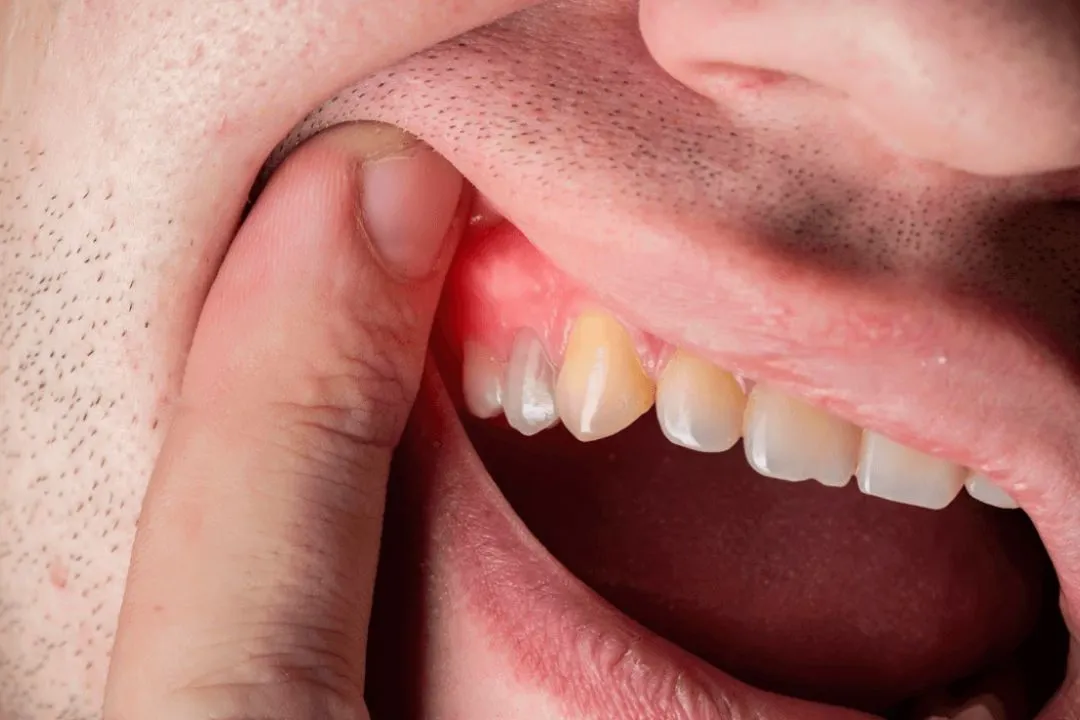
Tooth sensitivity can disrupt your day with sharp pain. You know the feeling. You sip a cold drink, and suddenly, there it is. Understanding what causes this and how to manage it is key to finding relief. This blog will guide you through the top five causes of tooth sensitivity and practical ways to manage them. With insights from a trusted Palm Beach Gardens dentist, you’ll gain clarity on how to protect your teeth. Common triggers include worn enamel, gum recession, and tooth grinding. Each cause requires specific steps for relief. You don’t need to suffer in silence any longer. Identifying the cause is the first step toward a solution. Proper care will help you enjoy life’s simple pleasures again. Let’s break down these causes and explore how you can take control of your oral health. Relief starts with understanding and action.
1. Worn Enamel
Worn enamel is a common cause of tooth sensitivity. Your enamel is the hard outer layer of your teeth. When it wears away, it exposes the softer dentin beneath. This leads to increased sensitivity. Common culprits include aggressive brushing and acidic foods.
Manage the wear by using a soft-bristled toothbrush. Choose a toothpaste specifically for sensitive teeth. Limit acidic foods and drinks. These steps protect your enamel and reduce sensitivity.
2. Gum Recession
Gums can recede, exposing the roots of your teeth. This exposure increases sensitivity. Gum recession often results from gum disease or harsh brushing.
To manage this, maintain good oral hygiene. Use gentle brushing techniques. Regular dental check-ups are essential. If gum recession worsens, your dentist might suggest professional treatment options.
3. Tooth Grinding
Tooth grinding, or bruxism, is a hidden danger. It gradually wears down your teeth, leading to sensitivity. Stress and misaligned teeth often cause grinding.
To manage grinding, consider wearing a mouthguard at night. This protects your teeth and reduces stress on your jaw. Relaxation techniques can also help ease stress and reduce grinding.
4. Tooth Decay
Tooth decay damages the structure of your teeth. This can expose the dentin, leading to sensitivity. Sugary foods and poor oral hygiene contribute to decay.
Prevent decay by brushing twice daily with fluoride toothpaste. Floss regularly to remove food particles between teeth. Limit sugary foods and drinks. Regular dental visits are crucial for early detection and treatment of decay.
5. Recent Dental Procedures
Sometimes, dental work can temporarily result in sensitivity. Procedures like fillings, crowns, or teeth whitening can irritate the teeth. This type of sensitivity usually resolves on its own.
If sensitivity persists, consult your dentist. They can ensure there’s no underlying issue. Meanwhile, use a toothpaste designed for sensitive teeth to ease discomfort.
Comparison of Causes and Management Strategies
| Cause | Management Strategy |
|---|---|
| Worn Enamel | Use soft-bristled toothbrush, sensitive toothpaste, limit acidic foods |
| Gum Recession | Gentle brushing, regular check-ups, professional treatment if needed |
| Tooth Grinding | Mouthguard, relaxation techniques |
| Tooth Decay | Fluoride toothpaste, flossing, limit sugars |
| Recent Dental Procedures | Sensitive toothpaste, consult dentist if persistent |
Understanding tooth sensitivity and its causes can make a difference. Each cause has specific strategies to manage it. By identifying and addressing the root problem, you can reduce discomfort and protect your smile.
