

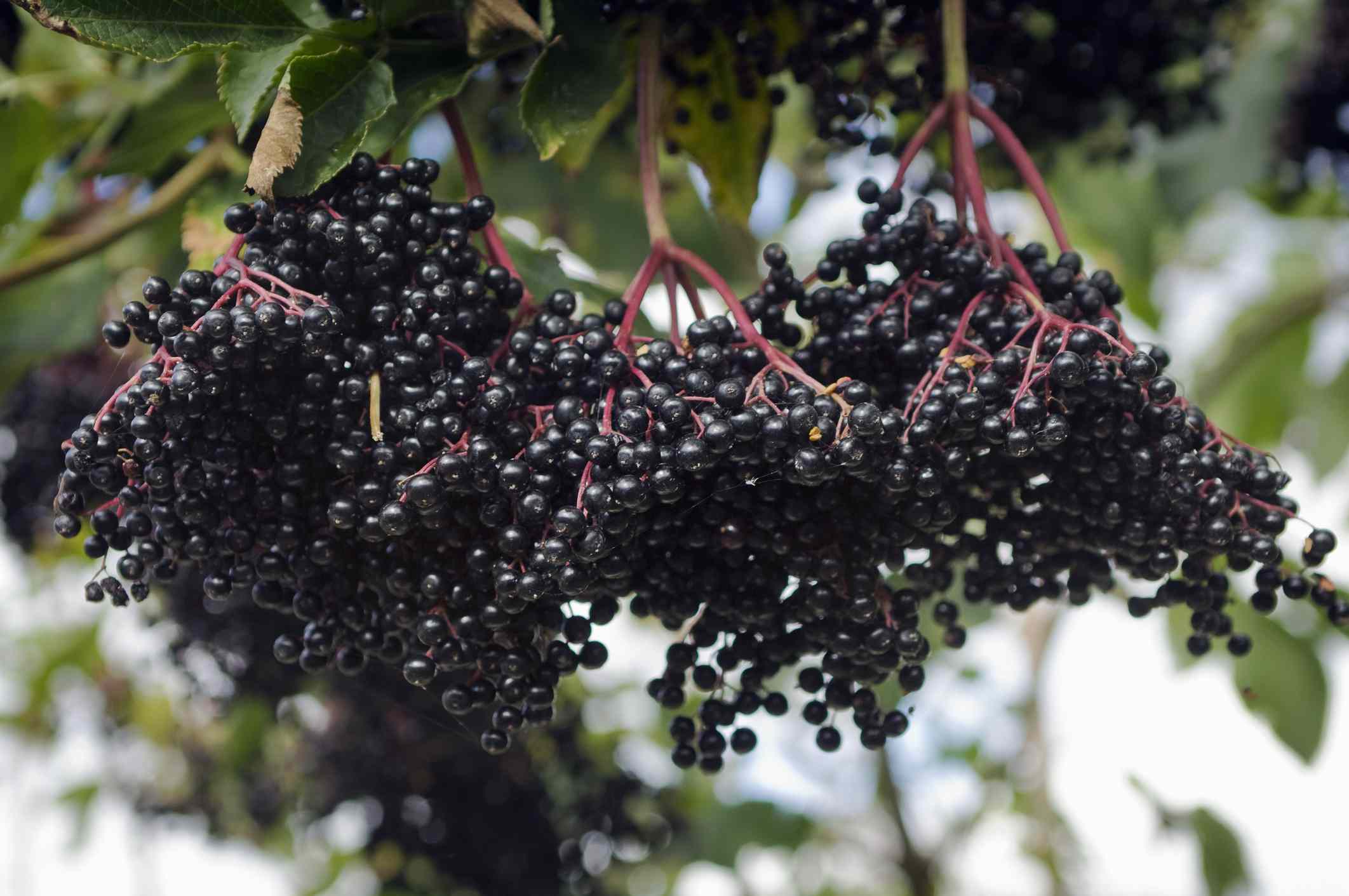
Cold sores can appear unexpectedly, often causing discomfort and frustration for those affected. These painful blisters, caused by the herpes simplex virus (HSV-1), typically develop around the lips or mouth and are known for their persistence and contagious nature. While over-the-counter remedies and prescription medications are widely used, many people are turning to natural alternatives in search of relief. Among the most discussed is elderberry, a botanical extract known for its immune-boosting properties. The use of elderberry for cold sores has become a point of interest for individuals seeking to manage outbreaks with gentle, plant-based support.
The Connection Between Cold Sores and Immune Response
Cold sores are the visible result of an underlying viral infection. Once HSV-1 enters the body, it remains dormant in nerve cells until triggered by stress, illness, sun exposure, or hormonal changes. During these times, the immune system may be weakened or distracted, allowing the virus to reactivate and cause a flare-up. Because of this, many treatments focus not only on reducing the symptoms of a cold sore but also on supporting the immune system’s response.
This is where elderberry begins to stand out. Known scientifically as Sambucus nigra, elderberry has been used for centuries in herbal medicine to address a variety of ailments, especially those related to respiratory illness and viral infections. Its reputation is largely based on its antioxidant content and the presence of bioactive compounds that interact with the immune system.
Studies have suggested that elderberry can reduce the duration and severity of influenza symptoms, indicating its potential role in fighting viruses more broadly. While not a cure for herpes, elderberry may support the body’s efforts to manage outbreaks and reduce the frequency of future occurrences. This makes it a candidate for consideration among natural tools used alongside traditional therapies.
How Elderberry Supports the Body During Cold Sore Outbreaks
The compounds found in elderberry are believed to contribute to its antiviral and anti-inflammatory effects. These include flavonoids, anthocyanins, and polyphenols—all of which help neutralize oxidative stress and may interfere with viral replication. When applied to conditions like cold sores, elderberry may not directly eliminate the virus, but it may help reduce the intensity of symptoms and support the immune system’s ability to respond effectively.
One of the most notable compounds in elderberry is cyanidin-3-glucoside, which has demonstrated antiviral activity in laboratory settings. It’s believed that elderberry extract can disrupt a virus’s ability to attach to host cells. While much of this research is focused on influenza, the principle has intrigued those looking for natural methods to manage herpes-related conditions.
When a person experiences a cold sore, inflammation often accompanies the visible symptoms. Elderberry’s natural anti-inflammatory effects may contribute to reduced swelling and faster healing. Its antioxidants may also assist in skin repair, helping the affected area return to normal more quickly once the blister has resolved.
There are various ways elderberry is consumed or applied. Most commonly, elderberry is taken as a syrup, capsule, lozenge, or tea. For cold sores, some individuals also explore topical applications, using elderberry-based creams or oils directly on the affected area. While topical use should always be approached with care and tested on a small skin patch first, it is one route people consider when using elderberry for cold sores.
Safe and Practical Use of Elderberry in Cold Sore Care
When considering elderberry for cold sores, it’s important to use the supplement correctly and to choose quality sources. Not all elderberry products are created equally. Proper extraction methods and ingredient purity play a major role in whether or not a product is effective. Reputable brands often use standardized extracts and follow third-party testing protocols, giving consumers greater confidence in their choice.
Consistency is often emphasized when using elderberry supplements. Many people take it at the earliest signs of an outbreak or during periods when they feel more vulnerable to illness or stress. By taking elderberry during these times, they aim to give their body additional immune support, potentially shortening the duration or preventing a full flare-up altogether.
As with any supplement, there are considerations to keep in mind. Elderberry should not be consumed in its raw form, as the berries, bark, and leaves can be toxic if not properly prepared. Commercial products are safe when made correctly, but it’s always best to read labels, check dosages, and consult a healthcare provider if there are any concerns—especially for individuals with autoimmune conditions, allergies, or who are taking medications that affect the immune system.
People who integrate elderberry into their cold sore management plan often report fewer outbreaks or less severe symptoms over time. While clinical data specific to HSV-1 is limited, the immune-modulating and anti-inflammatory actions of elderberry make it a compelling addition for those interested in natural remedies.
It’s also worth noting that elderberry is not used in isolation by most individuals. Instead, it is part of a more comprehensive self-care routine that may include reducing stress, getting adequate rest, staying hydrated, using topical antiviral creams, and following a diet rich in vitamins that support skin and immune health. This integrated approach tends to yield the most consistent and sustainable results.
