

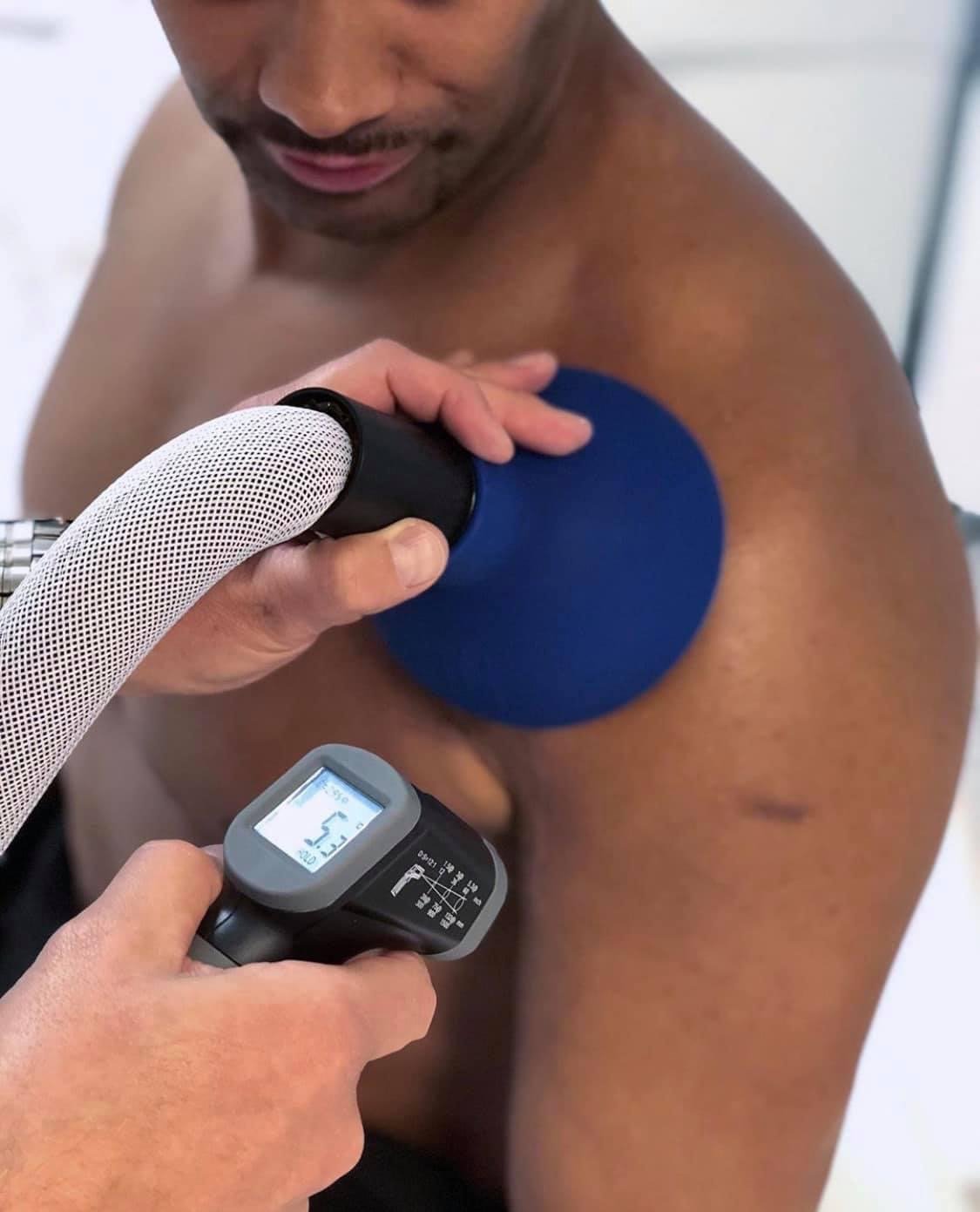
Health, recuperation, and peak performance depend on optimum circulation and edema management. Unchecked swelling and decreased blood flow from rigorous physical activity, post-surgical recovery, or chronic inflammatory disorders can slow recovery, cause pain, and lower well-being. To accurately address these physiological responses without intrusive procedures or systemic drugs with widespread effects is difficult. Controlled cold has progressed from ice packs to complex therapeutic approaches. These new treatments use the body’s natural response to intense cold to improve vascular dynamics and reduce fluid accumulation, promoting healing and relieving pain. This enhanced cold therapy is cryotherapy.
Vascular Response
Controlled cold affects circulation primarily through the vascular system. Vasoconstriction narrows nearby blood arteries in tissues exposed to very low temperatures. This initial response reduces blood flow to the cooled area, limiting capillary fluid leaking into adjacent tissues and the inflammatory cascade. When the cold stimulus is removed, blood vessels dilate reflexively. This powerful “pumping” effect draws fresh, oxygenated blood and critical nutrients back into the treated area while eliminating metabolic waste and inflammatory mediators. The “hunting reaction,” a cyclical mechanism, improves microcirculation and tissue exchange. A precise cryotherapy application optimizes this vascular response for therapeutic effect.
Manage Edema
A lower tissue temperature slows down cell metabolism, which means they need less oxygen and nutrients. This reduces the secondary tissue damage caused by hypoxia. By tightening and lowering capillary permeability, cold treatment lowers tissue plasma protein and fluid extravasation. It effectively prevents and reduces swelling by lowering fluid inflow and delaying cellular metabolism, increasing tissue volume recovery.
Pain Relief
In addition to improving circulation and swelling, focused cold treatments reduce pain and inflammation. The severe cold numbs nerve terminals, reducing nerve conduction velocity and raising pain threshold. This targeted anesthetic impact relieves acute pain from injuries, muscle aches, and post-surgery immediately and deeply. People can walk more comfortably and participate in early rehabilitation, which can improve circulation and minimize edema.
Cellular Benefits
Controlled cold improves cells by increasing circulation and reducing edema. cryotherapy lowers tissue temperature and cellular metabolism. Reduced metabolic demand is especially helpful in trauma or injury sites where edema or vascular damage may restrict oxygen supply. Slowing cellular activity prevents secondary hypoxia injury, which damages healthy cells around an injured location due to oxygen deficiency. This protective impact on cells preserves tissue integrity, aiding healing and minimizing inflammation and edema. This better environment speeds up the healing of cells and tissues, which helps athletes who are recovering from muscular injuries or illnesses that harm tissue. Systemic benefits support localized healing in a roundabout way by helping the body use its resources.
Effective Use
Therapeutic advantages of focused cold applications depend on method and duration. The condition and needs should determine the modality: localized ice packs, specialized compression devices with circulating cold water, or whole-body chambers. Direct cold application for particular durations, frequently in cycles of brief periods, induces the beneficial vasoconstriction-vasodilation response without tissue damage for acute injuries or localized swelling. For systemic benefits or widespread muscle discomfort, explore whole-body methods. These treatments must be applied consistently, understood physiologically, and consulted with healthcare specialists or certified practitioners to be safe and successful in a rehabilitation or performance enhancement routine.
